The best WiFi router for your home depends on the devices you use, your internet plan, and whether you need mesh coverage or a travel-ready network. Compare wireless generations, bands, wired ports, and management features to find a router that fits your setup without paying for capacity you cannot use.
Quick Top Products
TP-Link Archer BE600
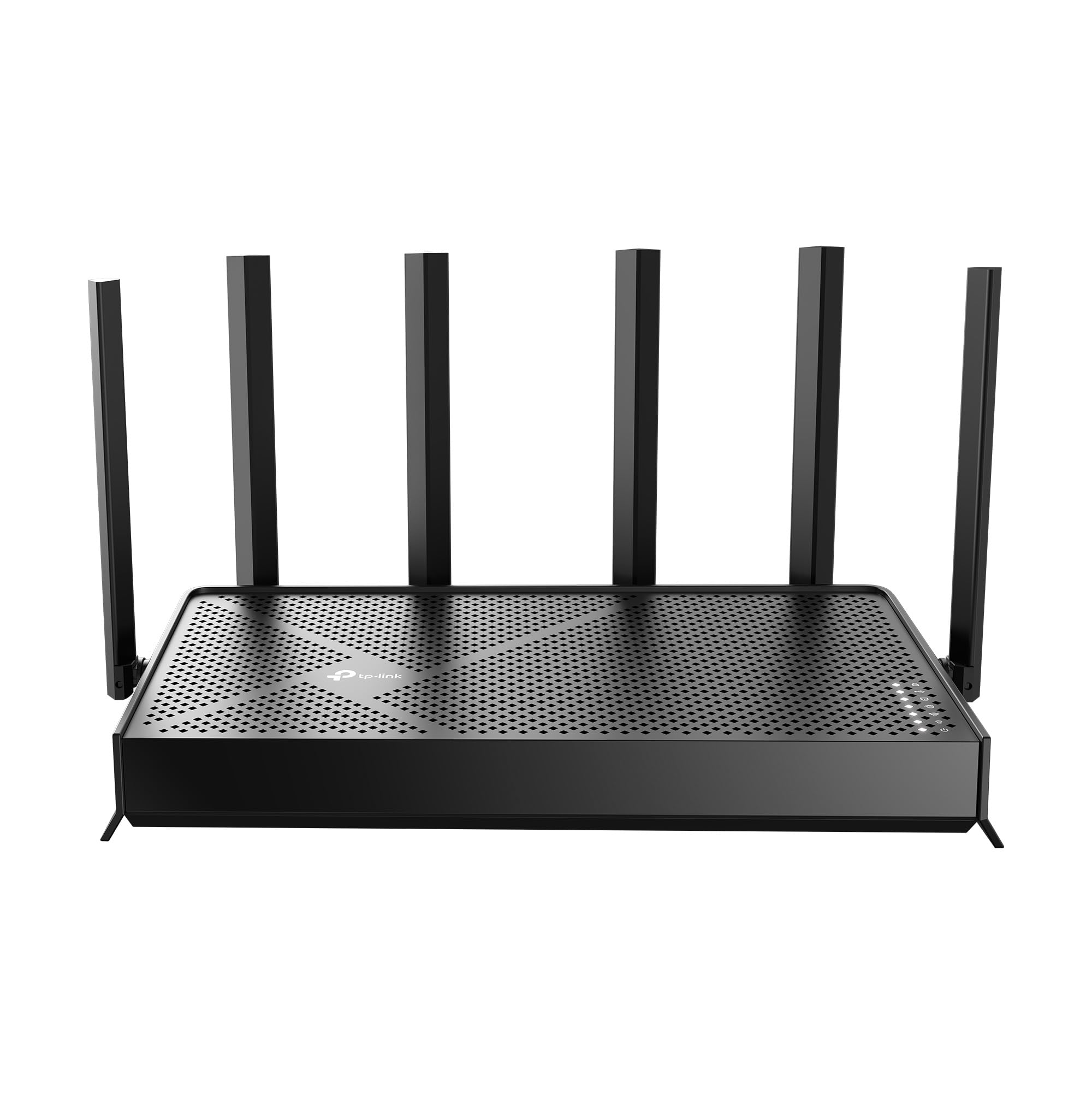
- Tri-band Wi-Fi 7 with 6 GHz speeds up to 5,765 Mbps.
- Coverage rated for up to 2,600 sq. ft. and 120 devices.
- Includes a 10 Gbps port and three 2.5 Gbps LAN ports.
Best For: Large homes with many connected devices and multi-gig wired equipment.

TP-Link Archer BE400
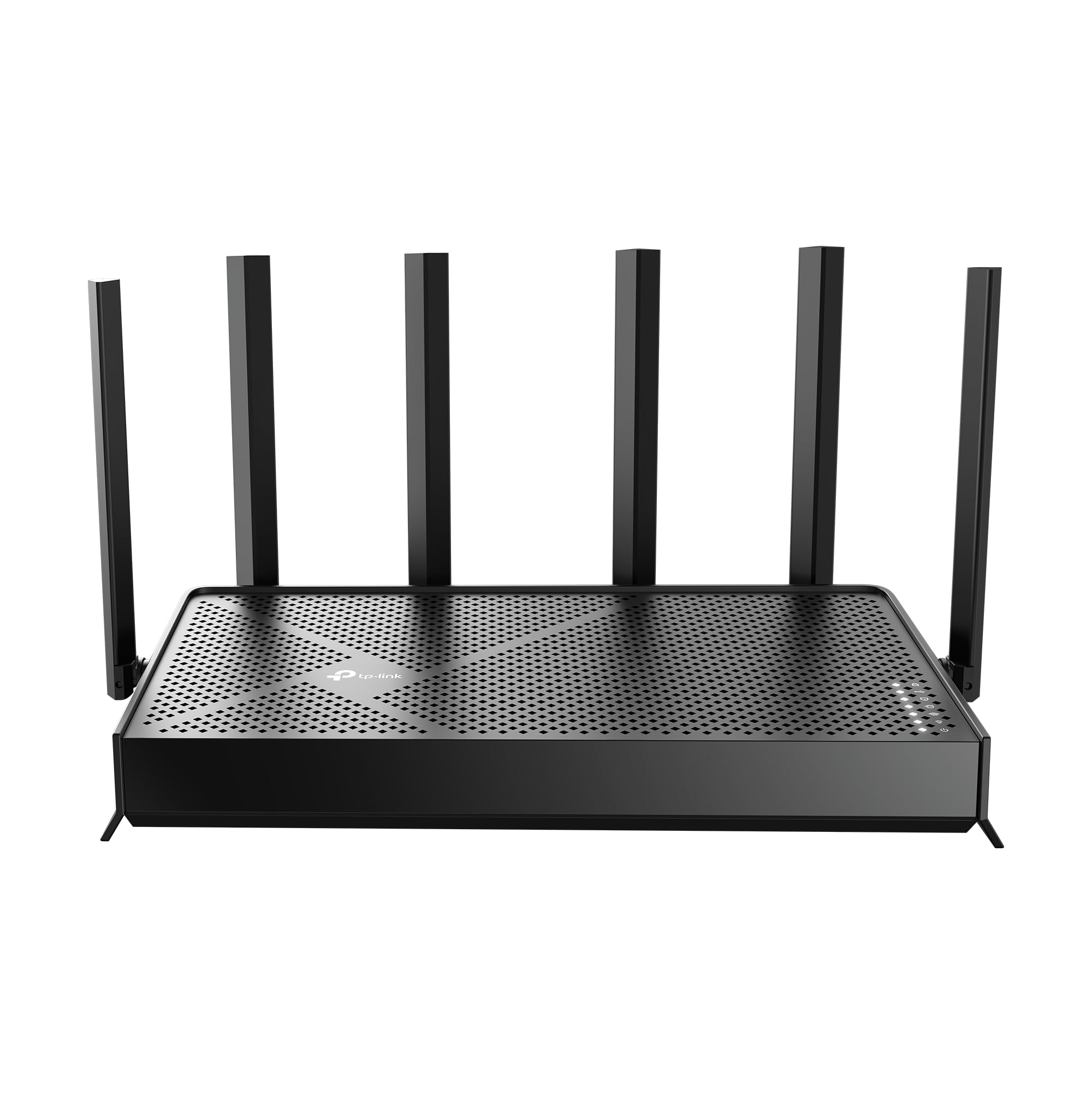
- Dual-band Wi-Fi 7 with total bandwidth up to 6.5 Gbps.
- Coverage rated for up to 2,400 sq. ft. and 90 devices.
- Has two 2.5 Gbps ports and three 1 Gbps LAN ports.
Best For: Households seeking Wi-Fi 7, multiple multi-gig ports, and stated support for many devices.
TP-Link Archer GE800
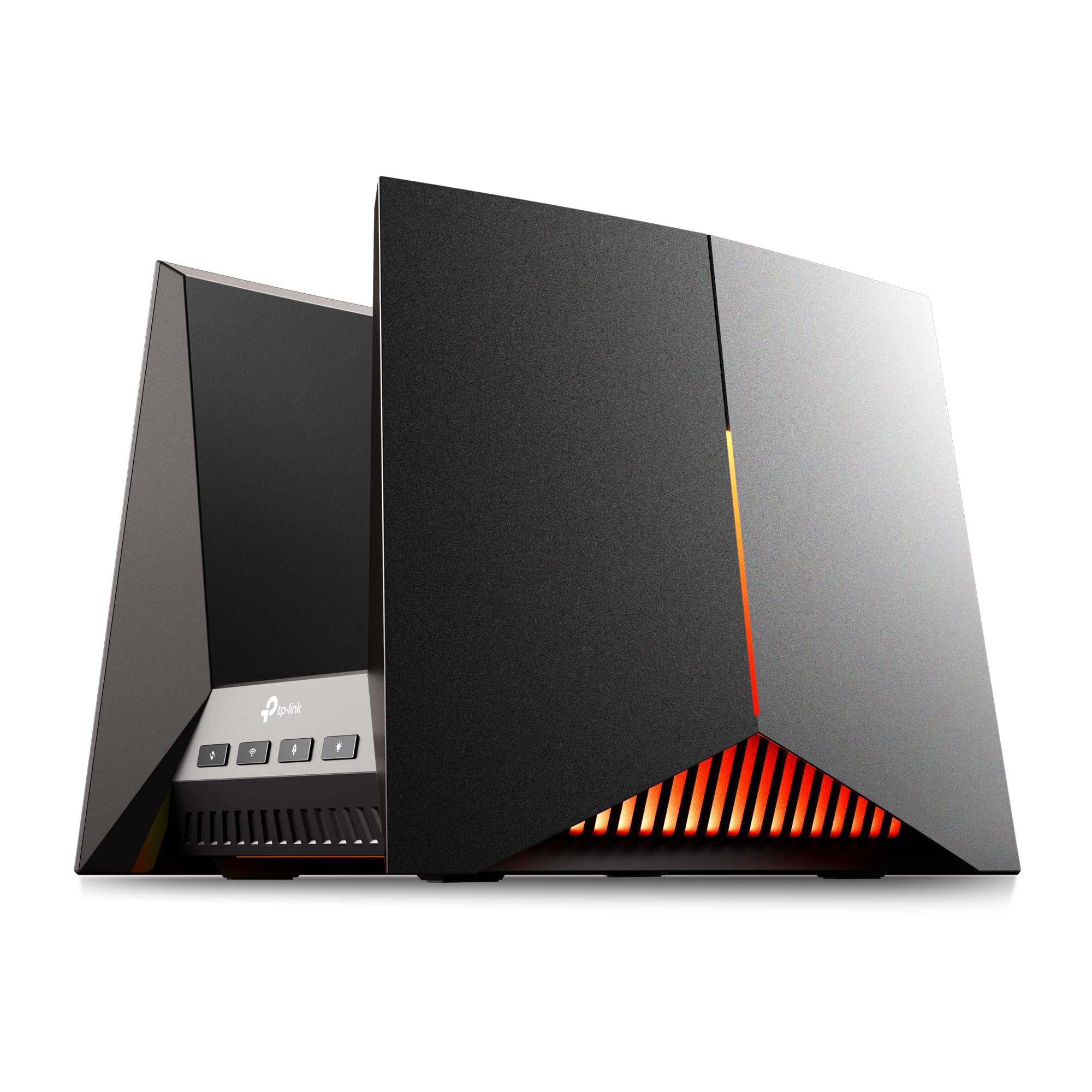
- Tri-band Wi-Fi 7 with up to 19 Gbps across 12 streams.
- Has two 10 Gbps and four 2.5 Gbps ports.
- Includes a gaming performance panel and customizable RGB lighting.
Best For: Gaming households with multi-gig wired devices and Wi-Fi 7 clients.
TP-Link Archer GE650
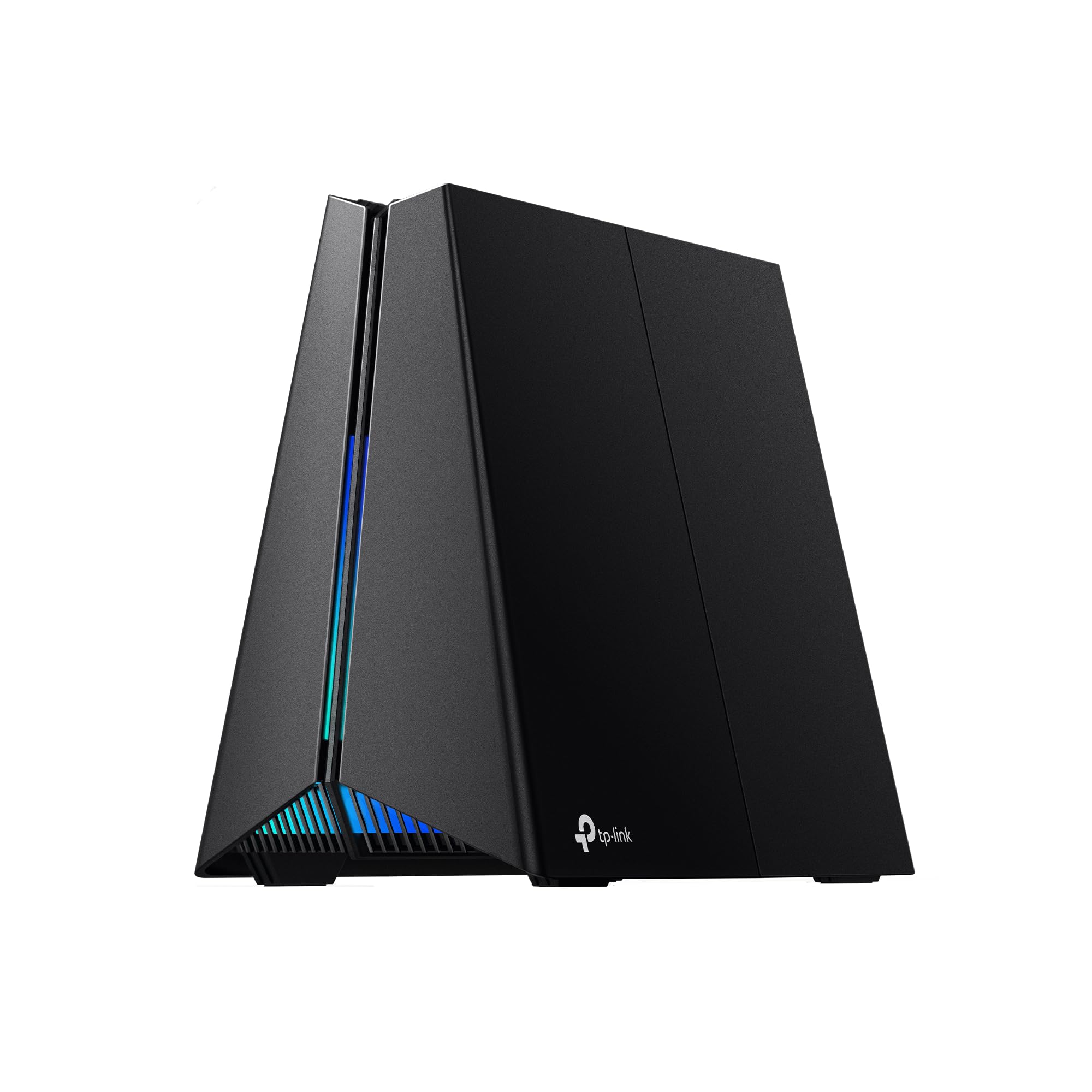
- Tri-band Wi-Fi 7 with a dedicated 5 GHz gaming band.
- Includes two 5 Gbps ports and three 2.5 Gbps LAN ports.
- The game panel provides network insights and traffic-priority controls.
Best For: Gamers who want tri-band Wi-Fi 7 and a dedicated 5 GHz gaming band.
TP-Link Archer AXE75
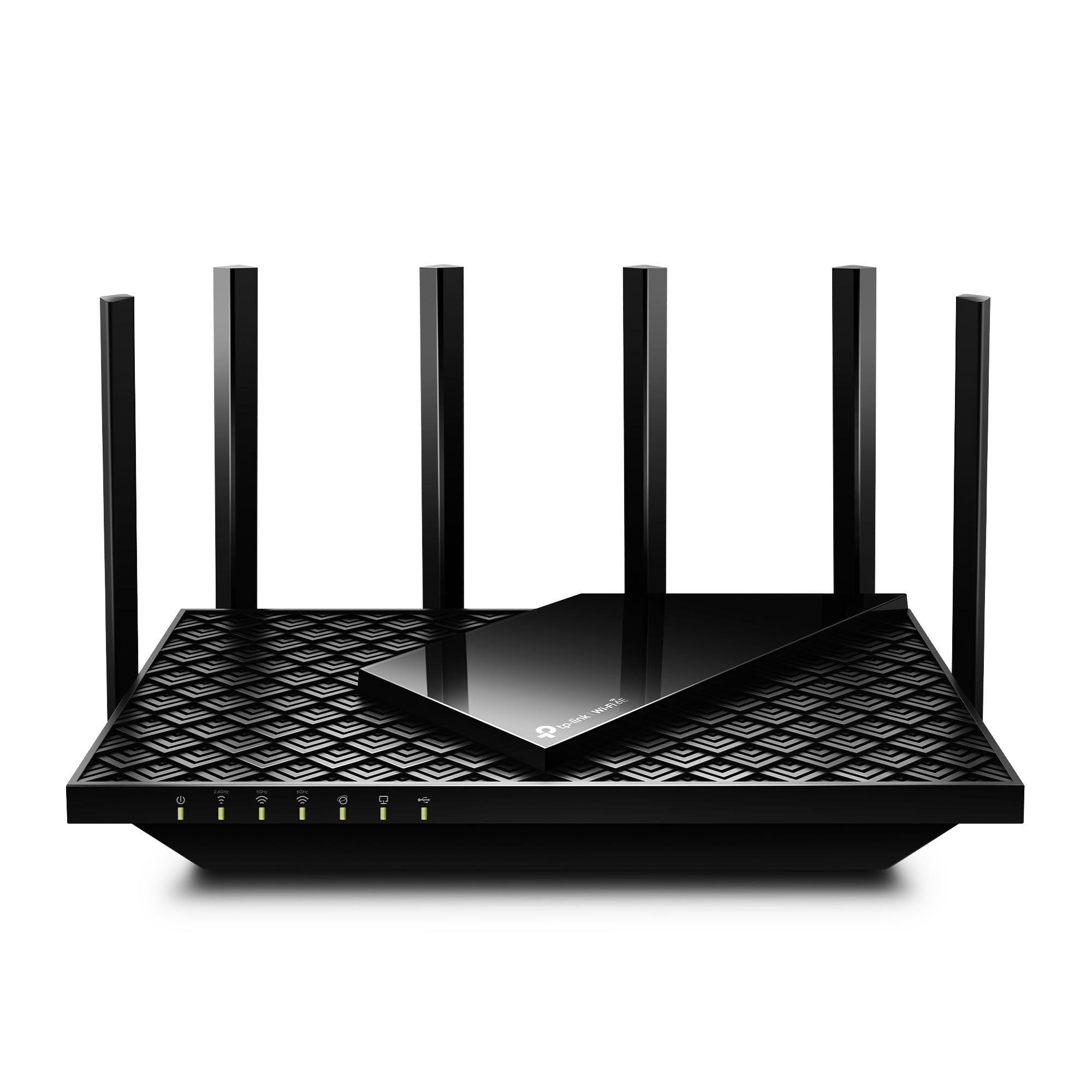
- Tri-band Wi-Fi 6E with a 6 GHz band.
- Includes a 2.5 Gbps WAN port.
- Supports VPN server and client functions.
Best For: Homes that want a 6 GHz band, tri-band operation, and VPN support.
Tenda RX12 Pro V3.0
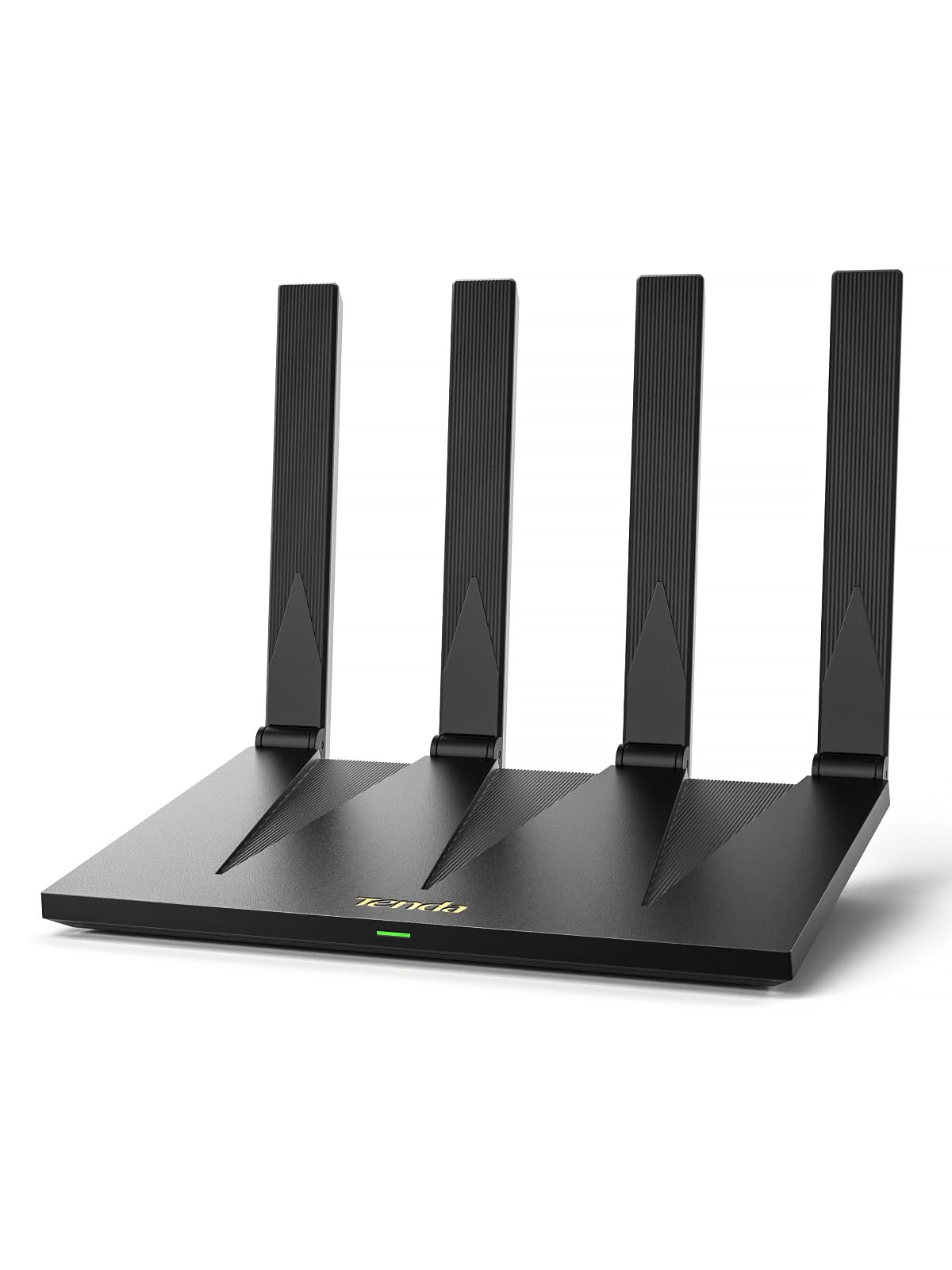
- Dual-band Wi-Fi 6 with speeds up to 2,402 Mbps on 5 GHz.
- Supports OpenVPN and WireGuard via a firmware update.
- Includes four gigabit ports with automatic WAN/LAN recognition.
Best For: Homes seeking a Wi-Fi 6 router with VPN, mesh support, and an isolated IoT network.
Tenda AC6 AC1200
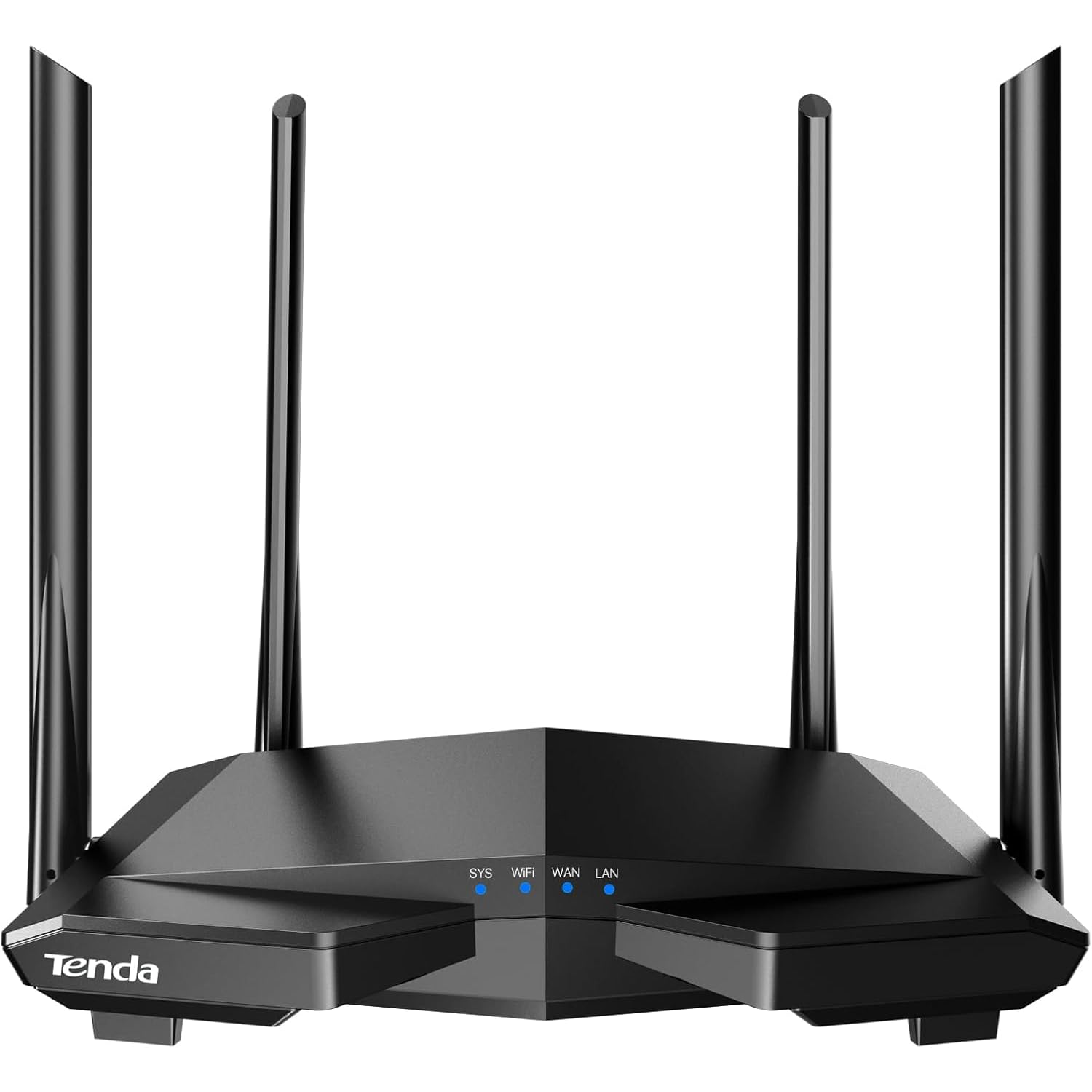
- AC1200 dual-band Wi-Fi with speeds up to 867 Mbps on 5 GHz.
- App-based management includes guest Wi-Fi and parental controls.
- Supports access point mode and has four Ethernet ports.
Best For: Basic home networks needing dual-band Wi-Fi, app management, and access point mode.
TP-Link Archer BE230
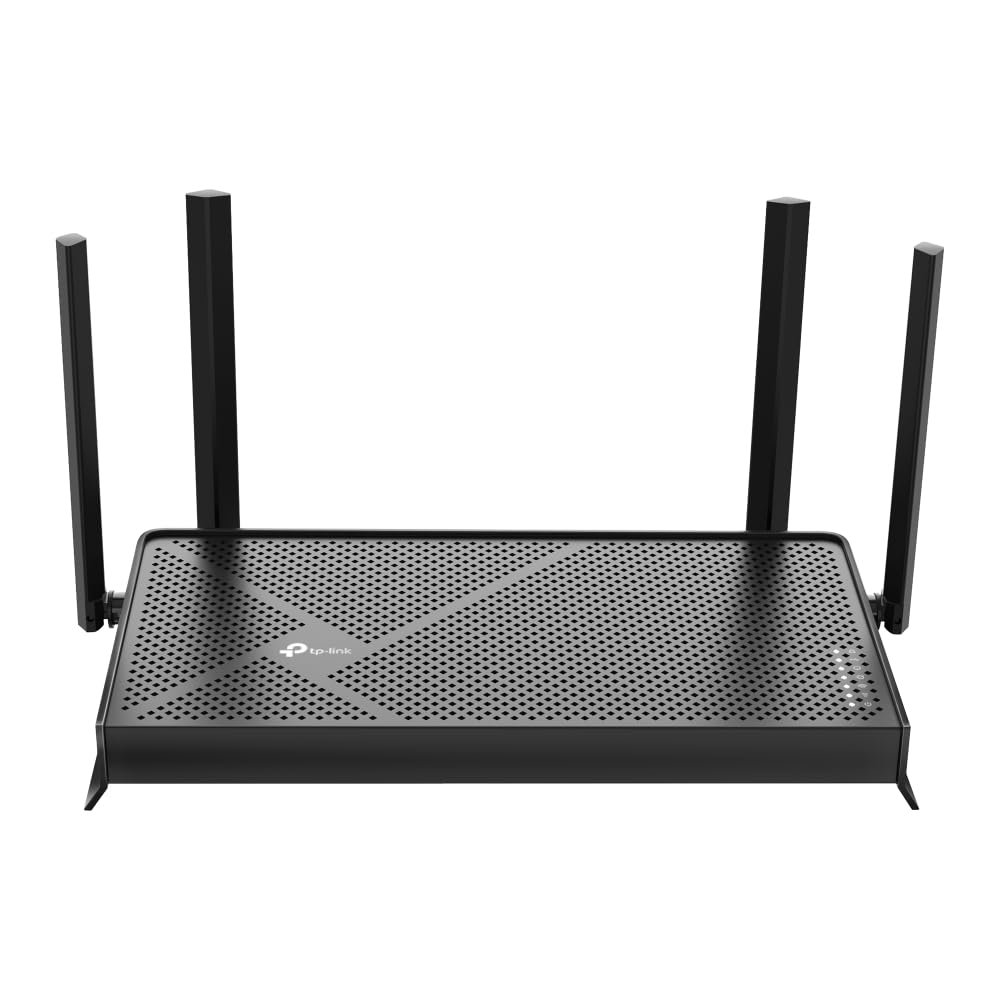
- Dual-band Wi-Fi 7 with speeds up to 2,882 Mbps on 5 GHz.
- Includes two 2.5 Gbps and three 1 Gbps ports.
- Coverage is rated up to 2,000 sq. ft. for up to 60 devices.
Best For: Homes seeking entry-level dual-band Wi-Fi 7 and multi-gig wired ports.
TP-Link Deco 7 BE23
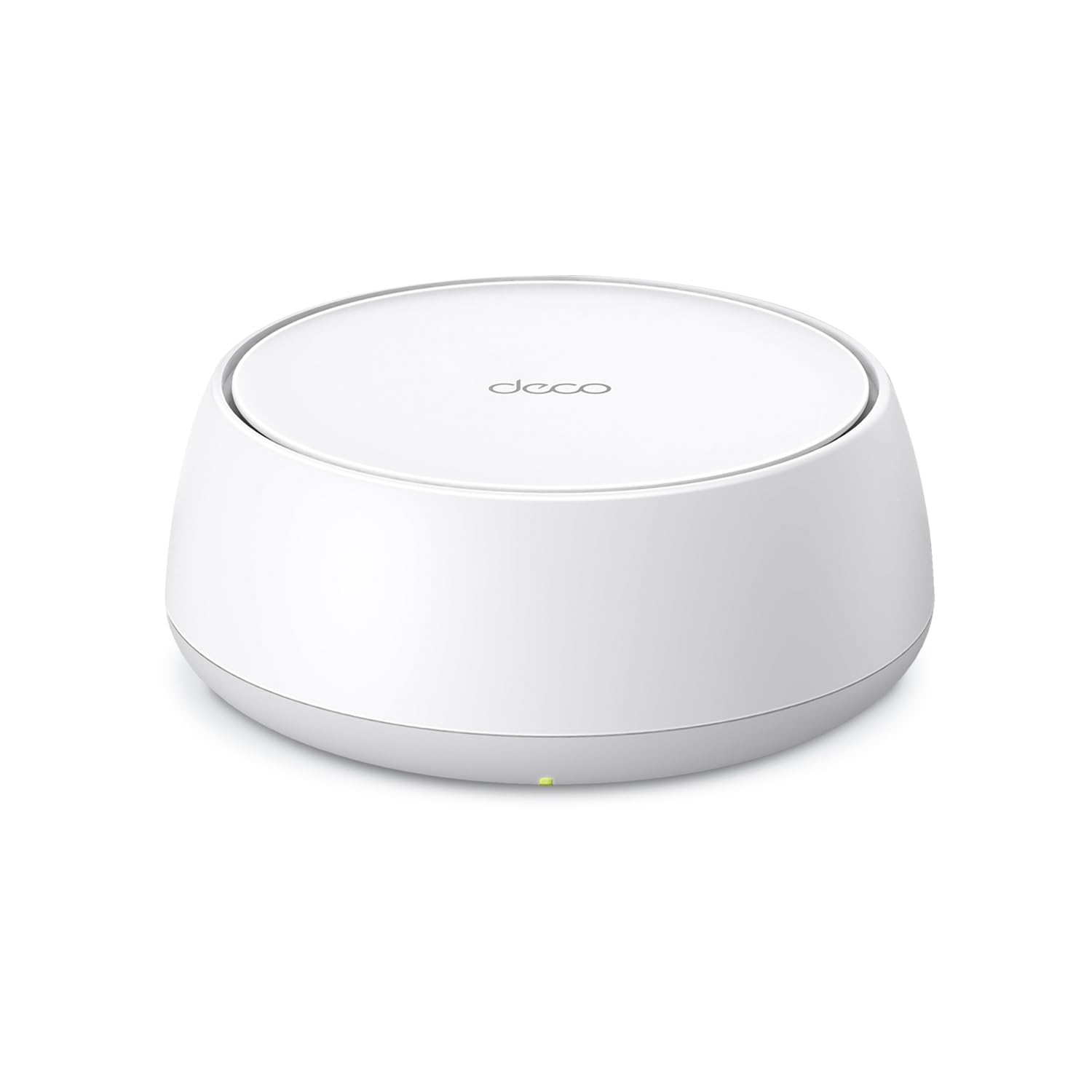
- One-pack dual-band Wi-Fi 7 mesh router with coverage up to 2,500 sq. ft.
- Supports up to 150 devices and has two 2.5 Gbps ports.
- Deco mesh supports unified network naming and AI roaming.
Best For: Homes that want to begin a Deco mesh network with a single Wi-Fi 7 unit.
TP-Link Roam 7 BE3600
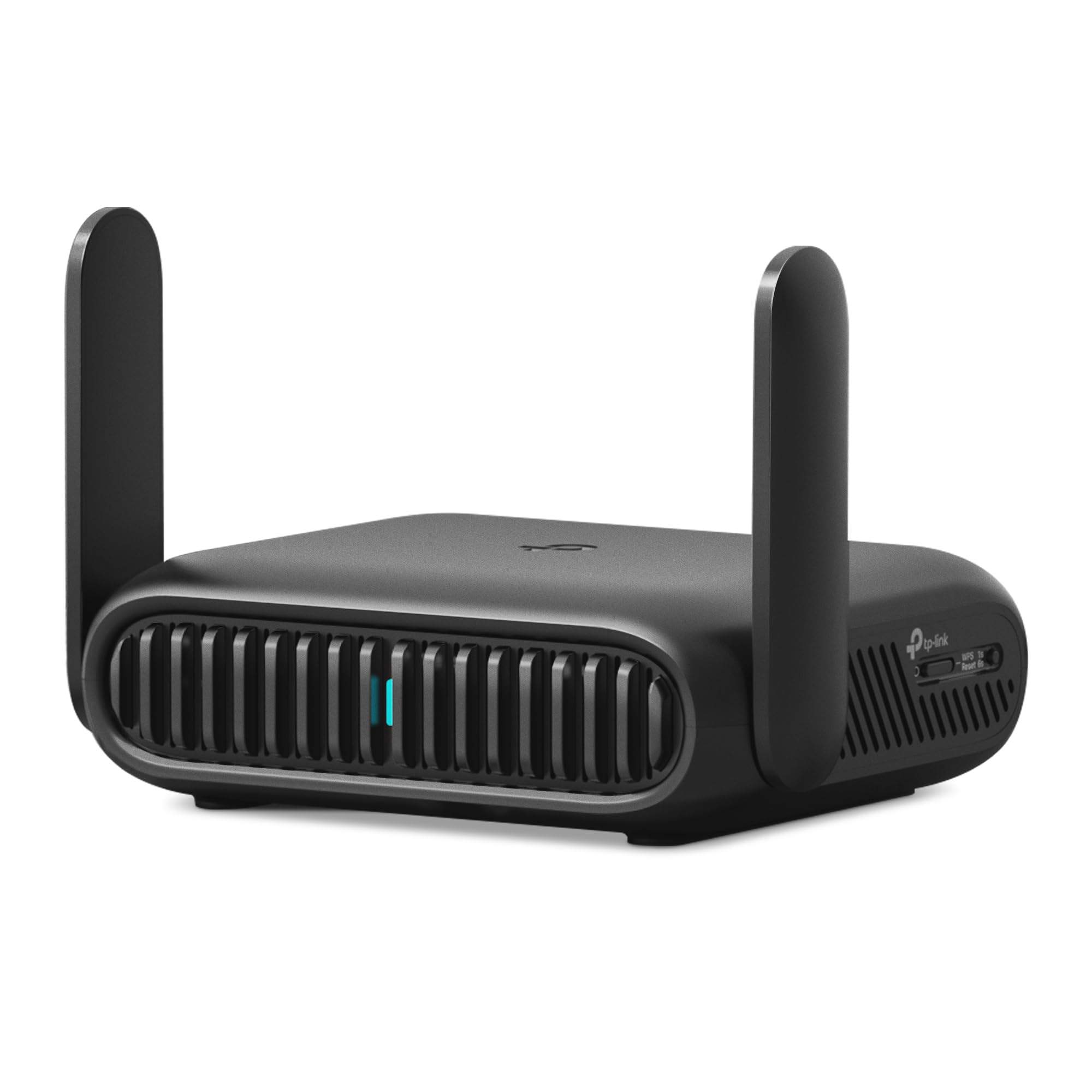
- Creates a private network from public Wi-Fi and supports up to 90 devices.
- Supports Hotspot, Router, and AP/RE/Client modes.
- Can use USB-C power from a 5V PD source such as a power bank.
Best For: Travelers who want to share hotel or public Wi-Fi through a private network.
Tri-Band Wi-Fi 7 for Larger Homes
TP-Link Tri-Band BE9700 WiFi 7 Router (Archer BE600) – 10G Port, 2.5G Port, 3× 2.5G LAN, 320MHz Channel, Covers up to 2,600 sq. ft., 120 Devices, VPN, HomeShield Security
The Archer BE600 combines tri-band Wi-Fi 7 with coverage rated for up to 2,600 sq. ft. and up to 120 devices. Its 6 GHz band reaches up to 5,765 Mbps, while its 10 Gbps WAN/LAN port and three 2.5 Gbps LAN ports give a wired setup room beyond ordinary gigabit connections.
Multi-Link Operation and channels up to 320 MHz support newer Wi-Fi 7 devices. HomeShield and VPN client and server support add network-management options.
Check your modem and client devices before buying: realizing the multi-gig and newer-band benefits depends on compatible equipment, and coverage figures are maximums rather than a guarantee for every home layout.
Best For: Large homes with many connected devices and multi-gig wired equipment.
| Pros | Cons |
|---|---|
|
|
Choose the BE600 if your home can make use of tri-band Wi-Fi 7, broad stated coverage, and several multi-gig wired connections. Its 10 Gbps port is a distinct fit for a faster modem or wired uplink, while the additional 2.5 Gbps LAN ports can serve compatible local devices.
Before buying, check whether your current devices support Wi-Fi 7 and 6 GHz, and whether the modem and plan can use the faster port. The listed coverage is a maximum, so home layout and obstructions still matter.
Wi-Fi 7 With Broad Device Support
TP-Link BE6500 Dual-Band WiFi 7 Router (BE400) – Dual 2.5Gbps Ports, USB 3.0, Covers up to 2,400 sq. ft., 90 Devices, Quad-Core CPU, HomeShield, Private IoT, Free Expert Support
The Archer BE400 is a dual-band Wi-Fi 7 router with total bandwidth advertised up to 6.5 Gbps, six streams, and coverage up to 2,400 sq. ft. for up to 90 devices. Its Wi-Fi 7 features include Multi-Link Operation, Multi-RUs, and 4K-QAM.
For wired connections, it has one 2.5 Gbps WAN/LAN port, one 2.5 Gbps LAN port, and three 1 Gbps LAN ports, plus USB 3.0. The Tether app or web interface manages setup, and HomeShield adds network and parental-control tools.
Dual-band means it does not provide a separate 6 GHz band; consider a tri-band model if that band is a priority.
Best For: Households seeking Wi-Fi 7, multiple multi-gig ports, and stated support for many devices.
| Pros | Cons |
|---|---|
|
|
This Archer fits a home moving to Wi-Fi 7 that wants multi-gig wired ports and a stated capacity for many devices without requiring tri-band operation. Its dual-band setup is a meaningful tradeoff against routers that add 6 GHz, while the 2.5 Gbps and 1 Gbps port mix can match a mix of newer and conventional wired gear.
Check your modem, internet plan, and device compatibility before buying. Its coverage figure is stated as an upper limit, and actual reach depends on the home.
High-Capacity Gaming and Wired Setup
TP-Link Tri-Band BE19000 Wi-Fi 7 Gaming Router Archer GE800 | 12-Stream | 2×10G + 4×2.5G Ports, USB 3.0 | Turbo Acceleration, Dedicated Gaming Port & Panel, RGB Lighting, HomeShield, Free Expert Help
The Archer GE800 is a tri-band Wi-Fi 7 router built around gaming features and extensive wired connectivity. It offers up to 19 Gbps across three bands and 12 streams, with two 10 Gbps ports and four 2.5 Gbps ports.
A dedicated gaming port, game acceleration, and a performance panel make its gaming focus tangible, while customizable RGB lighting gives the router a prominent gaming-room design. It also supports EasyMesh and includes basic HomeShield features.
This is a specialized, high-capacity choice; assess whether your internet connection and wired equipment can use the multi-gig ports before paying for them, and check the space available for its gaming-focused design.
Best For: Gaming households with multi-gig wired devices and Wi-Fi 7 clients.
| Pros | Cons |
|---|---|
|
|
Pick the GE800 when its gaming controls, tri-band Wi-Fi 7, and unusually extensive wired port selection align with the rest of your setup. It offers more 10 Gbps and 2.5 Gbps connectivity than simpler home routers, but that capacity has little practical use if your modem, plan, and wired devices are slower.
The performance panel and RGB design may suit a dedicated gaming space; check the router's physical fit and the details of any game-service features you plan to use.
Dedicated 5 GHz Gaming Band
TP-Link Tri-Band BE11000 Wi-Fi 7 Gaming Router Archer GE650 | 6-Stream 11 Gbps supports 320MHz | 2×5G + 3×2.5G Ports USB 3.0 | Game Acceleration, Dedicated Gaming Port & Panel, RGB Lighting|HomeShield
The Archer GE650 combines tri-band Wi-Fi 7 with a dedicated 5 GHz gaming band, giving gamers a band intended to separate game traffic from household streaming. Its stated wireless speeds reach up to 5,764 Mbps on 6 GHz, 4,320 Mbps on 5 GHz, and 574 Mbps on 2.4 GHz.
Wired connections include two 5 Gbps ports and three 2.5 Gbps LAN ports. The game panel can show network and router information, prioritize traffic, and control RGB settings; the router also supports EasyMesh.
Check whether your gaming devices can use the newer bands and whether your wired gear needs these port speeds.
Best For: Gamers who want tri-band Wi-Fi 7 and a dedicated 5 GHz gaming band.
| Pros | Cons |
|---|---|
|
|
The GE650 is a practical match for a gaming setup that wants a dedicated 5 GHz gaming band, tri-band Wi-Fi 7, and multi-gig wired connections. Its ports top out below the 5 Gbps connections on this model, but still support several faster-than-gigabit wired devices.
Before choosing it, check the Wi-Fi bands supported by your gaming system and whether you plan to use the game acceleration service. Coverage and device capacity are not specified, so compare those needs separately if the router must serve a large household.
Tri-Band Wi-Fi 6E and VPN Tools
TP-Link AXE5400 Tri-Band WiFi 6E Router (Archer AXE75), 2025 PCMag Editors' Choice, 2.5Gbps WAN Port for Gaming & Streaming, 6GHz Band, 160MHz, OneMesh, Dual-Core CPU, VPN & WPA3 Security
The Archer AXE75 is a tri-band Wi-Fi 6E router with up to 5,400 Mbps total Wi-Fi speed and a 2.5 Gbps WAN port. Its 6 GHz band reaches up to 2,402 Mbps, alongside a 2,402 Mbps 5 GHz band and 574 Mbps on 2.4 GHz.
The router supports OFDMA for simultaneous device traffic, and a OneMesh extender can expand coverage. VPN client and server functions support OpenVPN, PPTP, and L2TP.
This is a useful option if your devices can use Wi-Fi 6E and you want three bands without moving to Wi-Fi 7. Check modem needs and whether your clients support 6 GHz.
Best For: Homes that want a 6 GHz band, tri-band operation, and VPN support.
| Pros | Cons |
|---|---|
|
|
Choose the AXE75 if you want tri-band operation with 6 GHz and VPN tools, while Wi-Fi 6E suits your current devices. Compared with the Wi-Fi 7 options here, it is a generation earlier, but its 6 GHz band and 2.5 Gbps WAN port provide concrete features for compatible setups.
Check whether your Wi-Fi clients can use 6 GHz and whether a compatible OneMesh extender fits your coverage plan. The record confirms the WAN port speed but does not establish the speeds of the remaining wired ports.
Wi-Fi 6 With VPN and IoT Network Tools
Tenda AX3000 WiFi 6 Router,Dual-Band Gigabit Wireless Internet Router, Mesh & AP Mode, Built-in VPN, NFC Tap-to-Connect, OFDMA MU-MIMO, Secure IoT Network for Home Gaming & 4K Streaming(RX12 Pro V3.0)
The Tenda RX12 Pro V3.0 offers dual-band Wi-Fi 6 with stated speeds up to 2,402 Mbps on 5 GHz and 574 Mbps on 2.4 GHz. OFDMA and MU-MIMO support simultaneous traffic, while EasyMesh can extend the network with compatible equipment.
Four gigabit ports use automatic WAN/LAN recognition, and the router supports OpenVPN and WireGuard through a firmware update, as well as PPTP and L2TP. Its separate IoT Wi-Fi, parental controls, and NFC tap-to-connect feature provide setup and management options.
NFC requires a compatible Android device. Check that the firmware and VPN features match your needs, and remember a separate modem or gateway is required.
Best For: Homes seeking a Wi-Fi 6 router with VPN, mesh support, and an isolated IoT network.
| Pros | Cons |
|---|---|
|
|
The RX12 Pro V3.0 suits a home that wants Wi-Fi 6, gigabit wired ports, and a separate IoT network without requiring Wi-Fi 7. VPN support is broad, though OpenVPN and WireGuard require the latest firmware; check that version before relying on those features.
NFC can simplify connecting guests, but only with a compatible Android phone. Its four gigabit ports are less suited to multi-gig wired plans than the newer routers in this group, and it still needs a separate modem or ISP gateway.
Straightforward Dual-Band Home Router
Tenda AC1200 Smart WiFi Router, High Speed Dual Band Wireless Internet Router with Smart APP, 4 x 100 Mbps Fast Ethernet Ports, Supports Guest WiFi, Access Point Mode, IPv6 and Parental Controls(AC6)
The Tenda AC6 is an AC1200 dual-band Wi-Fi router with speeds up to 867 Mbps on 5 GHz and 300 Mbps on 2.4 GHz. Four 6 dBi antennas and beamforming are intended to extend the wireless signal through a home, while MU-MIMO supports simultaneous connections on 5 GHz.
The Tenda app handles setup and network management, including guest Wi-Fi and parental controls. Access point mode can turn a wired connection into a wireless network.
Its four Ethernet ports are 100 Mbps, which is a clear limit for wired devices or internet plans above that speed. It does not include a modem, so check your ISP equipment before purchasing.
Best For: Basic home networks needing dual-band Wi-Fi, app management, and access point mode.
| Pros | Cons |
|---|---|
|
|
Consider the AC6 for a basic wireless network where app management, guest access, and access point mode matter more than fast wired connections. Its 100 Mbps Ethernet ports are the main tradeoff: they can constrain wired devices and are a mismatch for faster internet service.
The dual-band AC1200 wireless rating is also more modest than newer Wi-Fi options. Confirm that your ISP modem is already available and that the Ethernet limit suits the devices you intend to connect.
Compact Wi-Fi 7 With Multi-Gig LAN
TP-Link Dual-Band BE3600 Wi-Fi 7 Router Archer BE230 | 4-Stream | 2×2.5G + 3×1G Ports, USB 3.0, 2.0 GHz Quad Core, 4 Antennas | VPN, EasyMesh, HomeShield, MLO, Private IOT | Free Expert Support
The Archer BE230 is a dual-band Wi-Fi 7 router with up to 2,882 Mbps on 5 GHz and 688 Mbps on 2.4 GHz. Its four-stream setup supports Wi-Fi 7 features including Multi-Link Operation, Multi-RUs, and 4K-QAM, though dual-band operation does not include 6 GHz.
Wired connectivity is a highlight: it has two 2.5 Gbps ports, three 1 Gbps LAN ports, and USB 3.0. Coverage is rated for up to 2,000 sq. ft. and 60 devices.
EasyMesh support and Tether app setup add flexibility. Check whether your devices can use Wi-Fi 7 and whether you need the tri-band 6 GHz option instead.
Best For: Homes seeking entry-level dual-band Wi-Fi 7 and multi-gig wired ports.
| Pros | Cons |
|---|---|
|
|
The BE230 gives a home Wi-Fi 7 features and two multi-gig ports in a dual-band configuration. It can be a fit for users who want faster wired connections but do not need a 6 GHz band.
Its stated coverage and device capacity are more limited than some other options here, so compare those figures with your home and connected equipment. Check that your modem and clients match the router's capabilities; a separate modem is required for most internet providers.
Mesh-First Wi-Fi 7 With Roaming
TP-Link Deco 7 BE23 Dual-Band BE3600 WiFi 7 Mesh Wi-Fi Router | 4-Stream 3.6 Gbps,160 Mhz | Covers up to 2,500 Sq.Ft | 2× 2.5G Ports Wired Backhaul | VPN, MLO, HomeShield, Free Expert Help, 1-Pack
The Deco 7 BE23 is a single-unit dual-band Wi-Fi 7 mesh router with coverage rated up to 2,500 sq. ft. and support for up to 150 devices. It reaches up to 2,882 Mbps on 5 GHz and 688 Mbps on 2.4 GHz, and includes two 2.5 Gbps WAN/LAN ports for wired equipment or backhaul.
Deco units can work together to form a mesh network, with a unified network name and AI roaming. HomeShield, VPN client and server support, and a separate IoT network add management options.
The one-pack configuration is important: it is one unit, so consider adding compatible Deco units if your home needs mesh nodes in multiple areas.
Best For: Homes that want to begin a Deco mesh network with a single Wi-Fi 7 unit.
| Pros | Cons |
|---|---|
|
|
Choose the Deco 7 BE23 if mesh expansion and roaming are central to your home network plan. A single unit is rated for up to 2,500 sq. ft., and compatible Deco products can form a unified network if you later need additional nodes.
It has two 2.5 Gbps ports, which can support wired devices or backhaul. Before buying, decide whether one unit can cover your layout or whether you should plan for additional compatible Deco hardware.
Portable Wi-Fi 7 for Hotels and Travel
TP-Link Roam 7 BE3600 Wi-Fi 7 Portable Travel Router | Dual-Band, 2.5G Port, USB 3.0 | Multi-Modes in One | OpenVPN, WireGuard® | Public WiFi Sharing for Hotel/Cruise/RV/Plane | No 6 GHz | TL-WR3602BE
The Roam 7 is a portable dual-band Wi-Fi 7 travel router designed to turn public Wi-Fi into a private network for your devices. It supports up to 90 devices, offers Hotspot, Router, and AP/RE/Client modes, and can use OpenVPN or WireGuard as a VPN client or server.
A one-step captive-portal login helps share hotel Wi-Fi after sign-in. It has a 2.5 Gbps WAN port and a 1 Gbps LAN port, and can run from USB-C power, including a power bank.
This is a travel-focused router rather than a conventional home coverage pick; it does not support 6 GHz, and buyers should check how it will be powered on a trip.
Best For: Travelers who want to share hotel or public Wi-Fi through a private network.
| Pros | Cons |
|---|---|
|
|
The Roam 7 makes sense for travel when several devices need to share hotel or public Wi-Fi through one private network, especially if VPN support and captive-portal handling matter. USB-C power gives flexibility with a compatible power bank, though a built-in battery is not specified, so plan to supply power.
It offers more stated capacity and faster wireless than the Roam 6, but travel routers serve a different purpose from fixed home routers. Confirm the public network login process and available power during your trip.
How to Choose Wifi Routers
How We Picked WiFi Routers
The candidates cover several real router needs: current Wi-Fi 7 home networks, tri-band models with 6 GHz, gaming-focused designs, a Wi-Fi 6 option with VPN and IoT tools, a basic AC1200 model, and a portable travel router. The selections favor products with a clearly stated wireless generation, band setup, wired ports, and concrete network features.
The travel router is included as a distinct use case, while a second portable model is excluded to keep this home-focused roundup from doubling up on travel gear.
A router's speed rating is not the same as the internet speed a household will experience. The quoted wireless figures describe maximum band rates, and actual performance depends on compatible clients, the connection feeding the router, distance, and obstacles.
Check that a separate modem or ISP gateway is part of your setup; several routers here explicitly require one or say they are not modems.
Comparing WiFi Routers by Wireless Generation and Bands
The Wi-Fi 7 choices differ in bands and emphasis. The Archer BE400 and BE230 are dual-band models without 6 GHz, while the BE600, GE800, and GE650 are tri-band.
The Archer AXE75 is Wi-Fi 6E and also includes 6 GHz. A 6 GHz band can only serve devices that support it, so an older phone or laptop will not make use of that capability.
The wired layouts also vary. The Archer BE600 provides a 10 Gbps port and three 2.5 Gbps LAN ports, and the GE800 adds two 10 Gbps ports alongside four 2.5 Gbps ports.
The BE400 and BE230 pair 2.5 Gbps ports with 1 Gbps LAN connections; the RX12 Pro V3.0 and AC6 are gigabit and 100 Mbps wired options respectively. Match router ports to your modem, internet plan, and local wired devices.
| Product | Standout features | Best for |
|---|---|---|
| TP-Link Archer BE600Check Price |
| Large homes with many connected devices and multi-gig wired equipment. |
| TP-Link Archer BE400Check Price |
| Households seeking Wi-Fi 7, multiple multi-gig ports, and stated support for many devices. |
| TP-Link Archer GE800Check Price |
| Gaming households with multi-gig wired devices and Wi-Fi 7 clients. |
| TP-Link Archer GE650Check Price |
| Gamers who want tri-band Wi-Fi 7 and a dedicated 5 GHz gaming band. |
| TP-Link Archer AXE75Check Price |
| Homes that want a 6 GHz band, tri-band operation, and VPN support. |
| Tenda RX12 Pro V3.0Check Price |
| Homes seeking a Wi-Fi 6 router with VPN, mesh support, and an isolated IoT network. |
| Tenda AC6 AC1200Check Price |
| Basic home networks needing dual-band Wi-Fi, app management, and access point mode. |
| TP-Link Archer BE230Check Price |
| Homes seeking entry-level dual-band Wi-Fi 7 and multi-gig wired ports. |
| TP-Link Deco 7 BE23Check Price |
| Homes that want to begin a Deco mesh network with a single Wi-Fi 7 unit. |
| TP-Link Roam 7 BE3600Check Price |
| Travelers who want to share hotel or public Wi-Fi through a private network. |
Choosing a Router for Gaming or Whole-Home Coverage
Gaming-oriented routers put their specialization in view: the GE800 has a dedicated gaming port, acceleration features, and a performance panel, while the GE650 has a dedicated 5 GHz gaming band and traffic controls. Those features may fit a busy gaming setup, but first check whether your plan and devices can use the multi-gig ports or newer Wi-Fi bands.
The AXE75 offers tri-band Wi-Fi 6E and VPN functions without the same explicit gaming panel focus.
For broader household coverage, compare the maximum area and device counts supplied for each model, then account for walls and the home's layout. The Archer BE600 is rated up to 2,600 sq. ft. and 120 devices; the Deco BE23 is rated up to 2,500 sq. ft. for up to 150 devices as a one-pack unit.
EasyMesh and Deco mesh support provide routes to expand with compatible equipment, but confirm the ecosystem before adding nodes.
Home Router Features, Setup, and Compatibility
App-based setup is available on the Tenda AC6, RX12 Pro V3.0, and several TP-Link models. HomeShield features appear across multiple TP-Link choices, and the Tenda RX12 Pro V3.0 adds a separate IoT network and NFC tap-to-connect for compatible Android phones.
VPN support varies: the AXE75 supports server and client roles, while the Tenda RX12 Pro V3.0 adds OpenVPN and WireGuard with a firmware update. Check the exact functions you need rather than assuming similarly named security tools work the same way.
A router needs a suitable connection to the internet. Most home router packages here do not include an integrated modem; the AC6 explicitly says it is not a modem, and the Tenda RX12 Pro V3.0 requires a separate modem or gateway.
Confirm compatibility with your ISP and the modem interface before buying. For mesh expansion, check whether the chosen system uses EasyMesh, OneMesh, or Deco equipment, since those names refer to different compatibility paths.
Which WiFi Router Fits Your Setup?
Choose the Archer BE600 for tri-band Wi-Fi 7, stated coverage for a large home, and several multi-gig wired connections. The BE400 offers Wi-Fi 7 and multi-gig ports in a dual-band format, while the BE230 is another dual-band option with a lower stated coverage and device capacity.
For Wi-Fi 6E with 6 GHz and VPN tools, consider the Archer AXE75; for gaming-focused controls, compare the GE650 and GE800 against your actual port and band needs.
The RX12 Pro V3.0 suits buyers who want Wi-Fi 6, VPN options, a dedicated IoT network, and gigabit wired ports. The AC6 is a simpler dual-band choice when its 100 Mbps Ethernet limit fits the intended use.
For trips, the Roam 7 can create a private network from public Wi-Fi and run from USB-C power. Pick according to the devices and connection you already have, then check modem requirements, mesh compatibility, and any feature limits before ordering.