Genealogy often brings together photographs, family stories, research notes and a growing collection of books. Gifts that help organize or enjoy those materials can support the hobby in everyday ways.
These eight ideas include practical tools for recording discoveries, arranging reading spaces and preserving favorite family photographs.
8 Gift Ideas for Genealogy Enthusiasts
ZEEYUAN 4x6 Photo Album
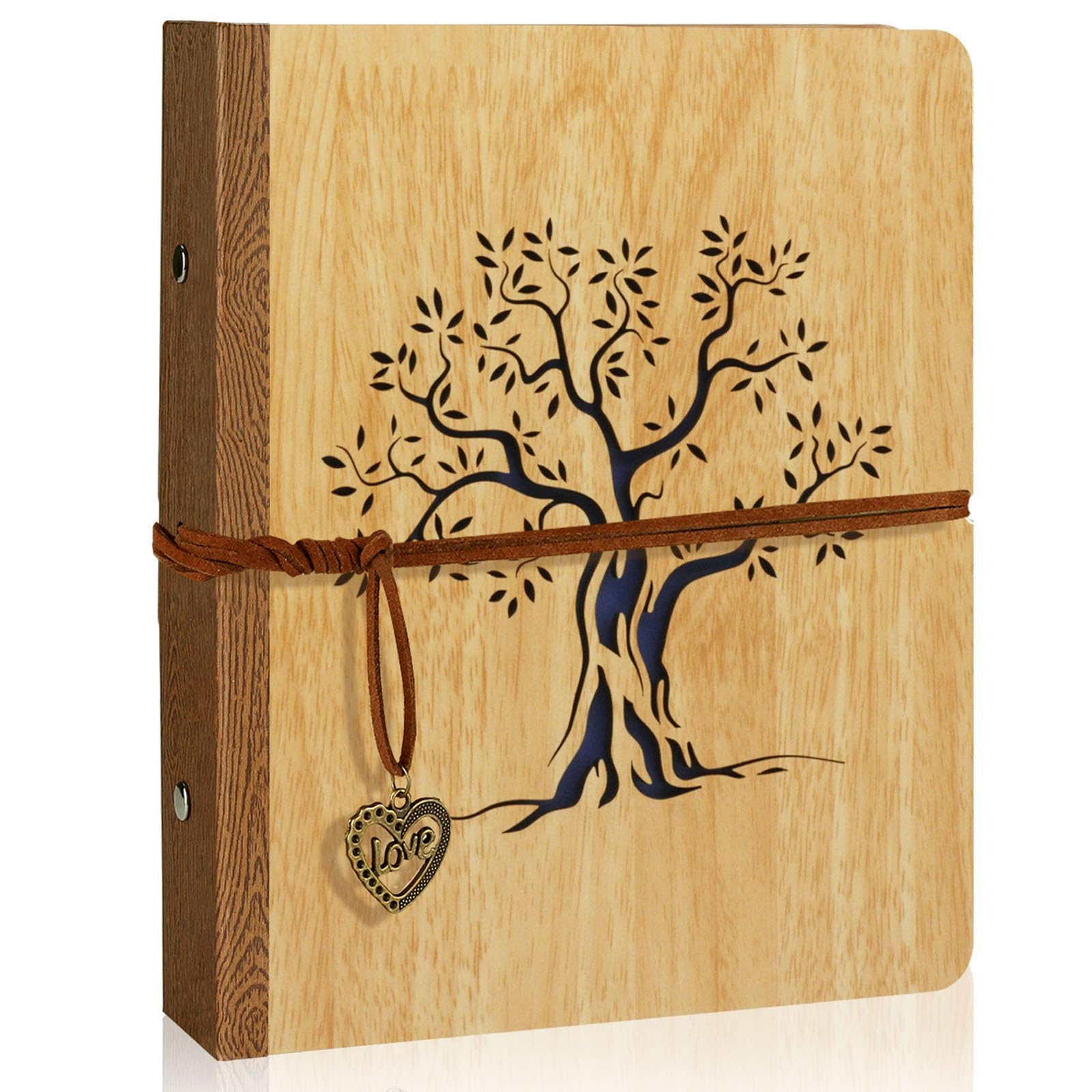
- Holds up to 200 photos, offering room to gather family snapshots in one album.
- Designed for 4x6 prints, a familiar format for organizing family pictures.
- A family memory book that can help keep selected photographs together.
Best Gift For: A family historian gathering printed photographs into a keepsake album.

Whitelines Graph Ruled Notebooks, 3-Pack

- The 3-pack gives a researcher several notebooks for different family lines or projects.
- Graph paper supports notes, timelines and simple family tree sketches.
- The app removes the page background from captured notes or drawings.
Best Gift For: A researcher who likes to keep handwritten family history notes and sketches together.
Cross Classic Century Gold Plated Ballpoint Pen

- A slim metal body gives the pen a polished, classic feel.
- Its swivel-action mechanism is made for straightforward use.
- The pen is refillable for continued writing.
Best Gift For: Someone who enjoys recording family stories or research discoveries by hand.
Glocusent 3-Color, 6-Brightness Reading Light

- Three color temperature modes offer different light tones for reading.
- Separate switches provide three brightness levels for each light head.
- Rechargeable design offers up to 80 hours for general reading with a single head.
Best Gift For: A reader who likes hands-free light for books or family documents.
10X Rectangle Magnifying Lamp with Light
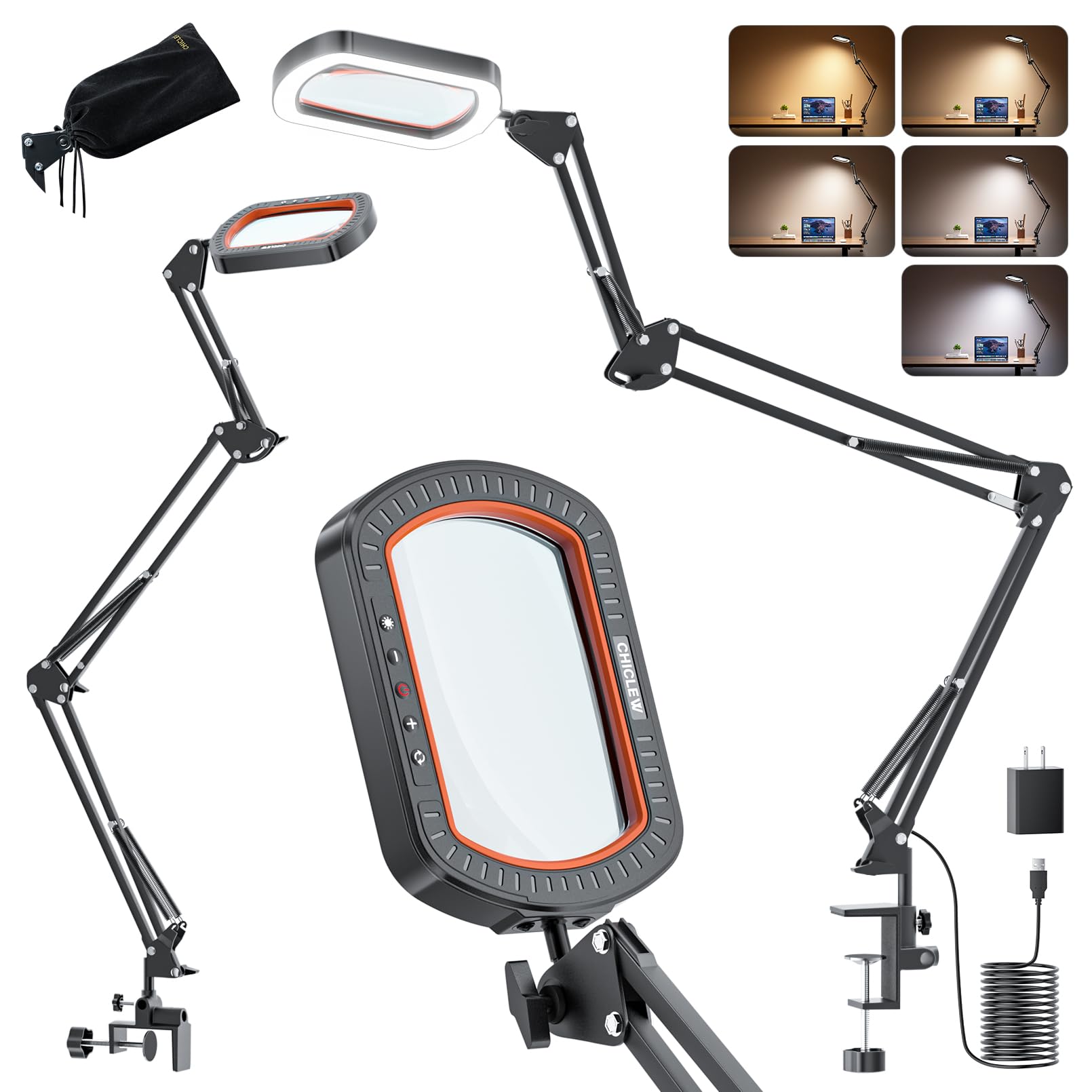
- A rectangular magnifier is designed to give a broader viewing area.
- Five color modes and brightness control let the user adjust the illumination.
- The clamp attaches to desk, workbench or table edges.
Best Gift For: A family historian who reads small print in old documents or photographs.
OTOTO Spaghetti Tale Bookmark
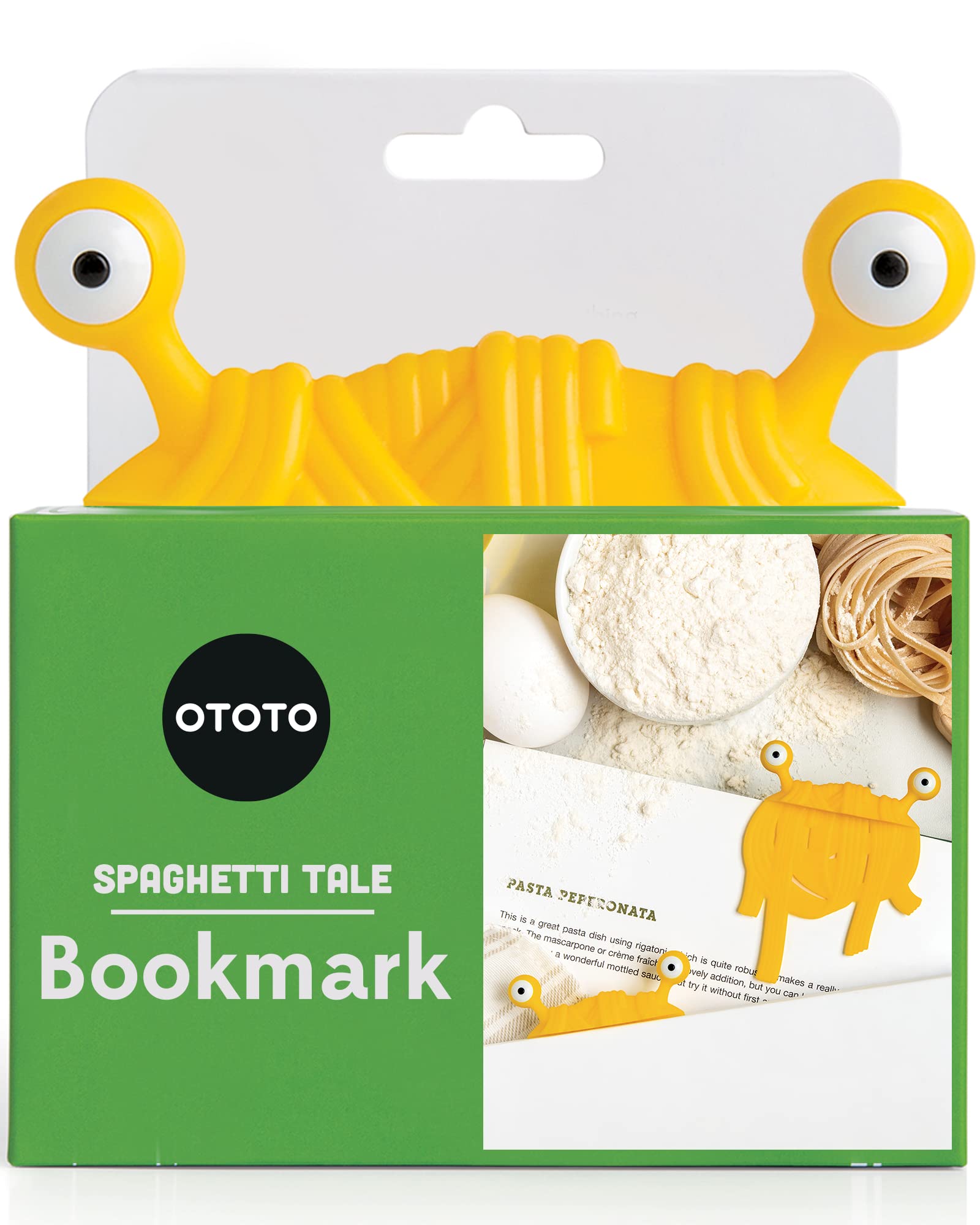
- The quirky yellow design makes it easy to spot between reading sessions.
- It marks a page without covering a large area of the book.
- The bookmark is made of plastic.
Best Gift For: A reader who enjoys a playful bookmark for genealogy books and research.
Mr. Pen Black Metal Bookends, 6-Pack
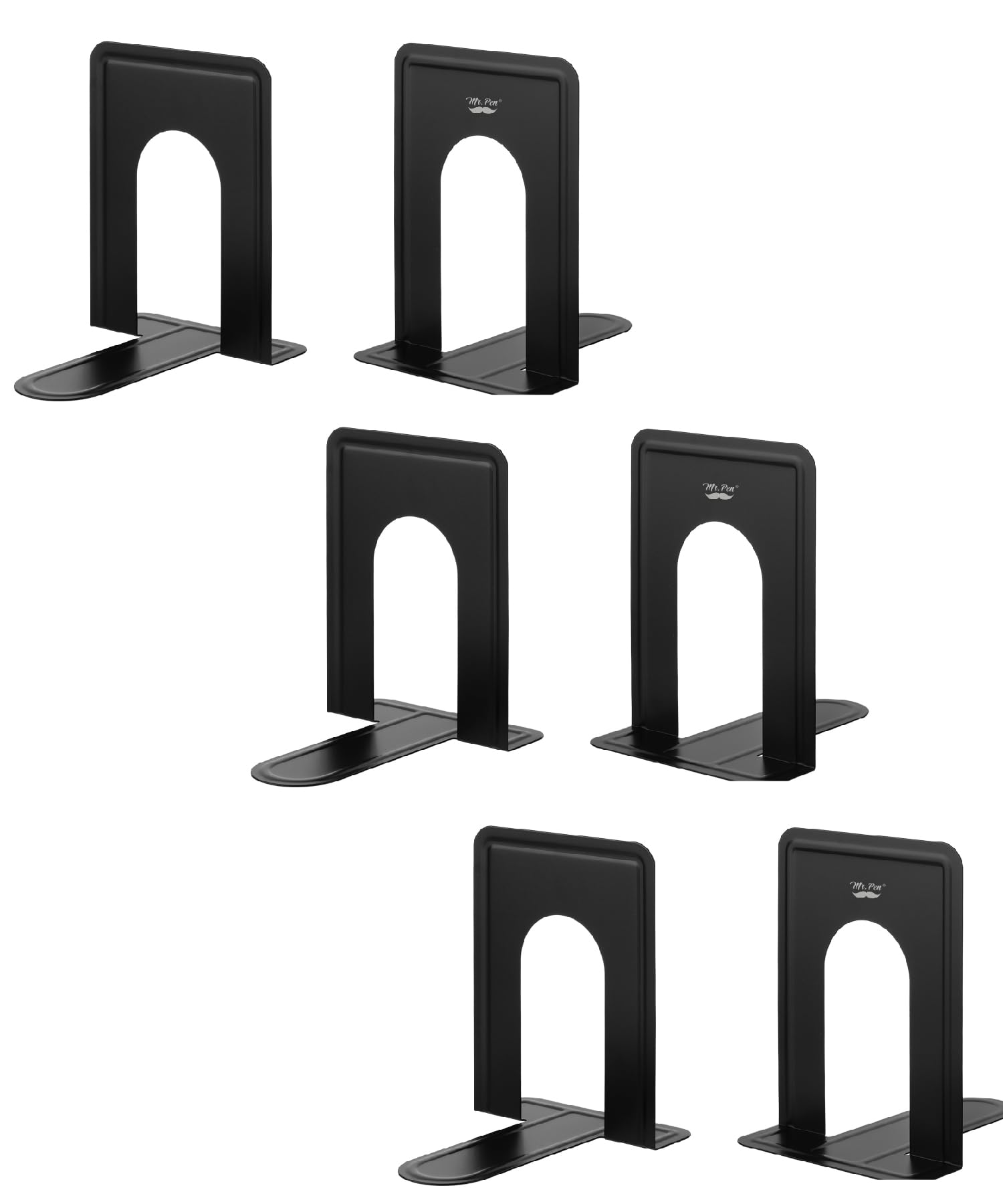
- The 6-pack can help arrange books, files or other shelf items.
- Heavy-duty metal construction supports shelf organization.
- The black finish suits home, office or classroom shelving.
Best Gift For: A family historian organizing books, files or binders on a shelf.
Clever Fox Planner PRO Light, Undated Weekly Planner

- Monthly, weekly and daily agenda pages help organize goals and tasks.
- The undated layout lets the owner choose when to begin.
- A quick start guide and planning stickers come with the planner.
Best Gift For: A researcher who wants to schedule interviews, archive visits or family history tasks.
Choosing Christmas gifts for people who love genealogy
Christmas gifts for people who love genealogy can support the way someone actually researches: perhaps they label old family photographs, take notes while speaking with relatives, or spend quiet evenings reading documents. Consider which part of the hobby is most present in their routine before choosing a gift.
For someone focused on photographs, an album offers a place to gather prints, while a notebook or planner can give active research a home. Readers working with older material may appreciate comfortable lighting or a magnifier for small print.
Think about the recipient’s habits and workspace, since a useful gift should fit how they already work.
If you are unsure what they own, choose something that complements rather than duplicates a specialized tool. A bookmark or a writing instrument is easy to pair with a history book, and shelf organizers can suit someone whose research has grown into a collection of books and binders.
Balancing budget and usefulness
Set a comfortable budget first, then consider whether the gift is a standalone item or part of a larger setup. A small reading accessory can make a thoughtful gesture on its own; a notebook set may be more useful to someone actively collecting information.
For a bigger present, select one central item and add a modest companion only if it serves the same activity.
Genealogy can involve many formats: printed pictures, handwritten notes, books and digital records. A gift that helps with one recurring task may see more use than a collection of unrelated accessories.
If you are choosing between practical options, consider where the recipient spends time and what tends to accumulate around them.
Qualitative price tiers can help narrow options, but check current prices before buying because they can change. Also check dimensions, compatibility and any accessories required for the intended use.
A clear plan for how the gift fits their habits can matter more than choosing the most elaborate item.
Personalizing Christmas gifts for people who love genealogy
Christmas gifts for people who love genealogy feel especially considered when they connect with a family story. You might pair an album with a few carefully identified photographs, or add a handwritten note explaining which relative or memory inspired the gift.
Avoid placing original, fragile materials in a new album until you know it suits their preservation preferences.
A notebook, pen or planner can become more personal with a simple inscription or a card suggesting a research project to pursue together. For example, invite the recipient to record a relative’s memories or organize a timeline from family documents.
Keep the suggestion open-ended so it feels like an invitation rather than another task.
Presentation can echo the recipient’s interest without requiring elaborate wrapping. A card that mentions a shared family place, surname or remembered story adds context, while a book-themed wrap can suit reading accessories.
If family material is included, make sure names and dates are checked and that you have permission to share private stories or photographs.
Choosing for their research style
Some family historians enjoy detailed, methodical work; others follow stories wherever an interesting lead takes them. A planner may help the first person set research goals and track follow-ups, while a notebook gives the second a flexible place to capture questions and discoveries.
Try to match the gift to their style instead of implying one correct way to do genealogy.
Consider the environment too. Someone who reads late may value a hands-free light, while a person sorting small photographs or printed records may benefit from magnification.
A shelf organizer could make sense when books and binders are part of the household, but it is less fitting if the recipient keeps most research digital.
When uncertain, pay attention to what they mention needing: clearer notes, a place for photographs, more manageable reading, or help keeping a project moving. A brief conversation with a family member can also reveal whether they already have similar equipment.
Keep any discovery discreet if preserving the surprise matters.
Last-minute gift planning
For a last-minute choice, start with what can be verified quickly: the product’s current details, dimensions, compatibility and delivery estimate. Delivery timing can change, so check the estimate for the recipient’s location before relying on it.
If timing is uncertain, a printed card describing the planned gift can preserve the occasion without promising a specific arrival date.
A practical item is easier to give confidently when you know the recipient’s setup. Check whether they prefer paper or digital notes, whether their reading material needs magnification, and whether a light or organizer suits the space they use.
When those details are unknown, a book accessory or a personal card may be a safer fit.
Finish with a short note about why you chose it. Mention a family story you hope they will explore, a relative whose photographs deserve attention, or a research question you would enjoy hearing more about.
That personal connection makes even a straightforward gift feel tied to the recipient’s interest.