Genealogy often means following a promising clue through papers, books, and digital records. These practical gifts can help make research sessions and the spaces around them more inviting.
The selection spans tools for keeping notes organized, reading comfortably, and displaying or storing books. Choose with the recipient’s research habits and available space in mind.
9 Gift Ideas for Genealogy Researchers
10X Rectangle Magnifying Lamp with Light
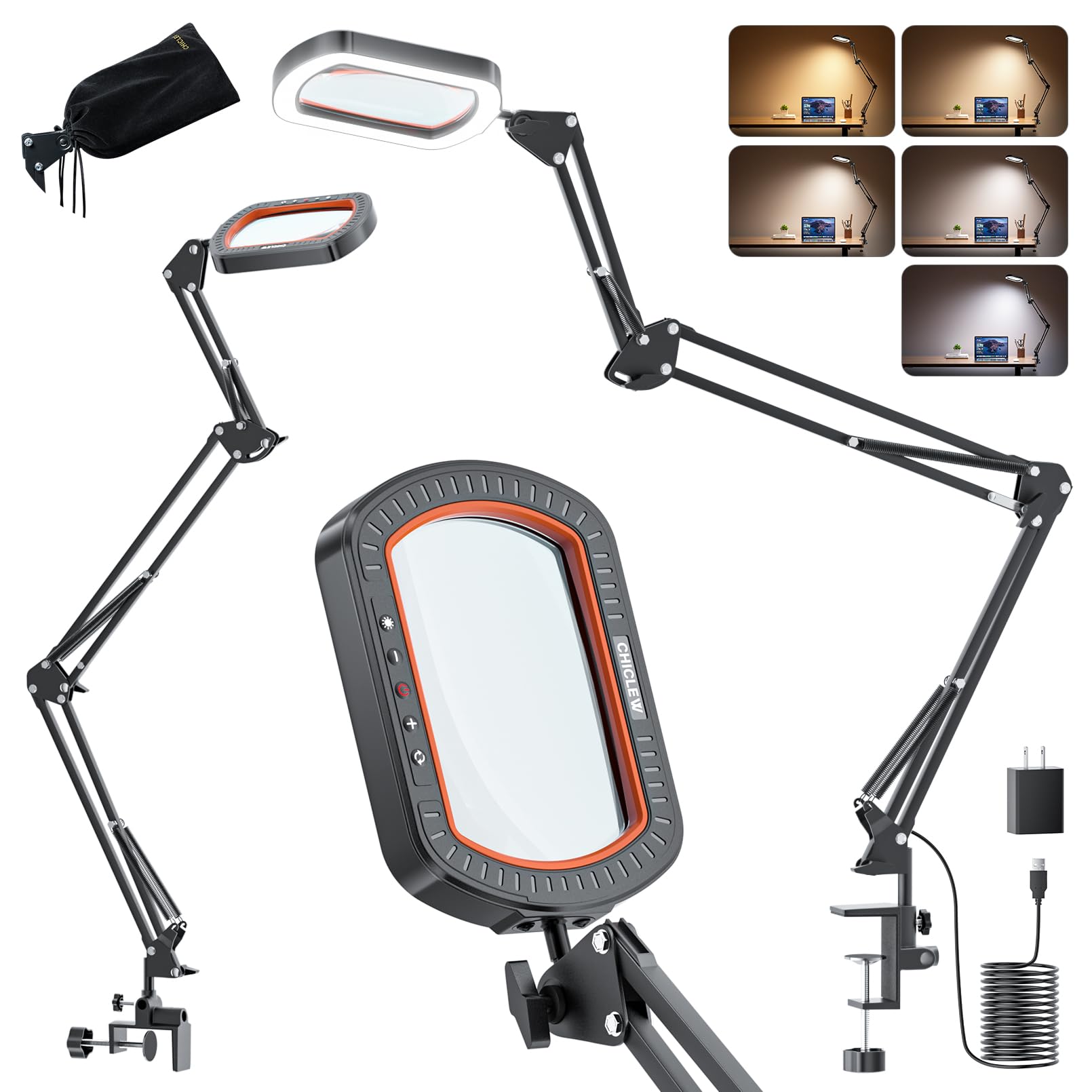
- The rectangular magnifier is made with genuine glass lenses.
- Adjust the illumination with five color modes and smooth brightness control.
- The clamp attaches to desks, workbenches, or table edges.
Best Gift For: A family-history researcher who reads small print in documents or books at a desk.

Phomemo D30 Label Maker with 3 Tapes
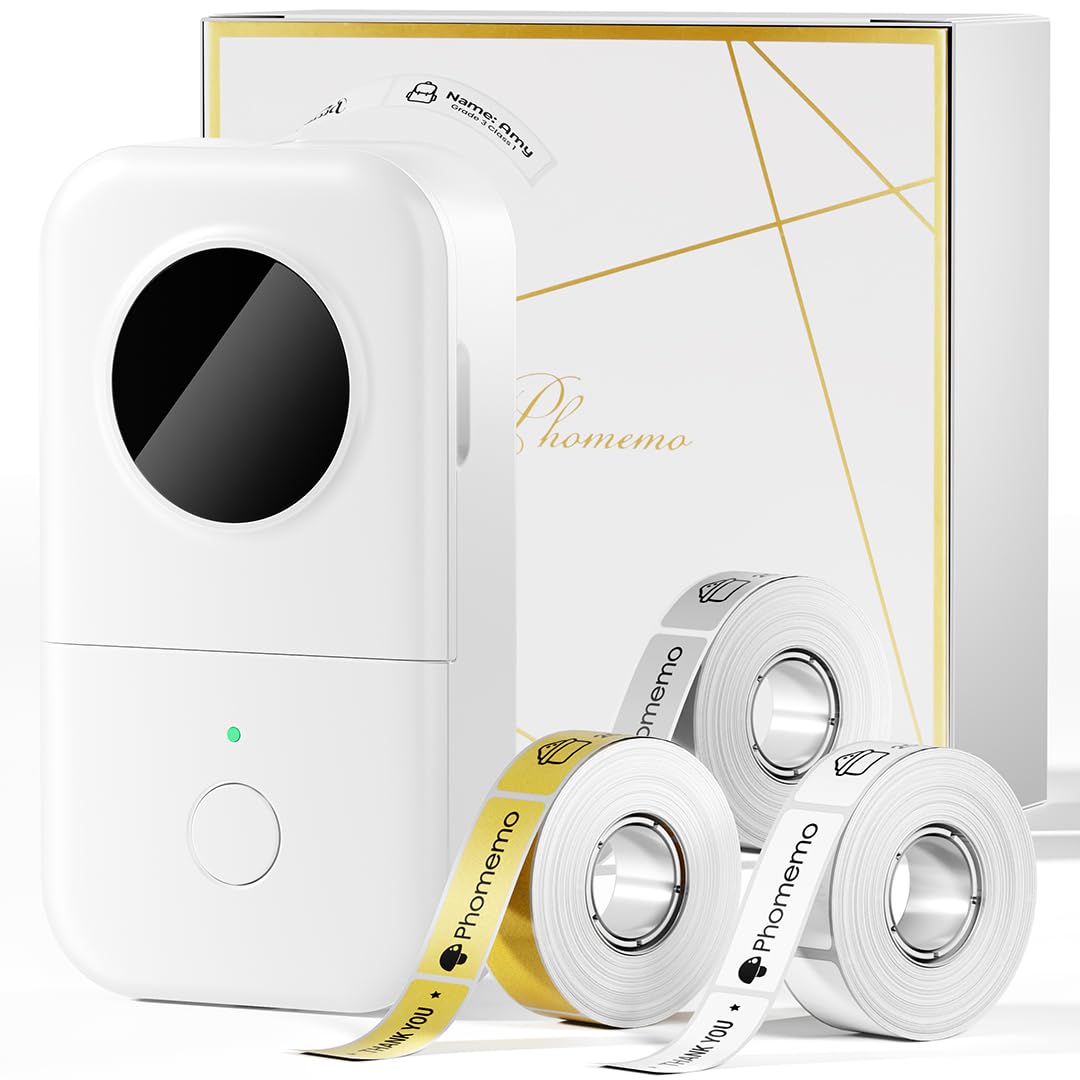
- The set includes white, gold, and clear tapes.
- It prints black text using thermal technology without ink, toner, or ribbons.
- Create labels from a phone or tablet over Bluetooth.
Best Gift For: A researcher who wants to label folders, supplies, or storage at home.
Clever Fox Planner PRO Light, Undated Weekly Planner

- Plan goals alongside monthly, weekly, and daily agendas.
- Its undated format lets the owner start at any time of year.
- It comes with an illustrated user guide and planning stickers.
Best Gift For: A genealogy enthusiast who likes to plan research goals and organize weekly tasks.
Clever Fox Dotted Journal 2.0, A5
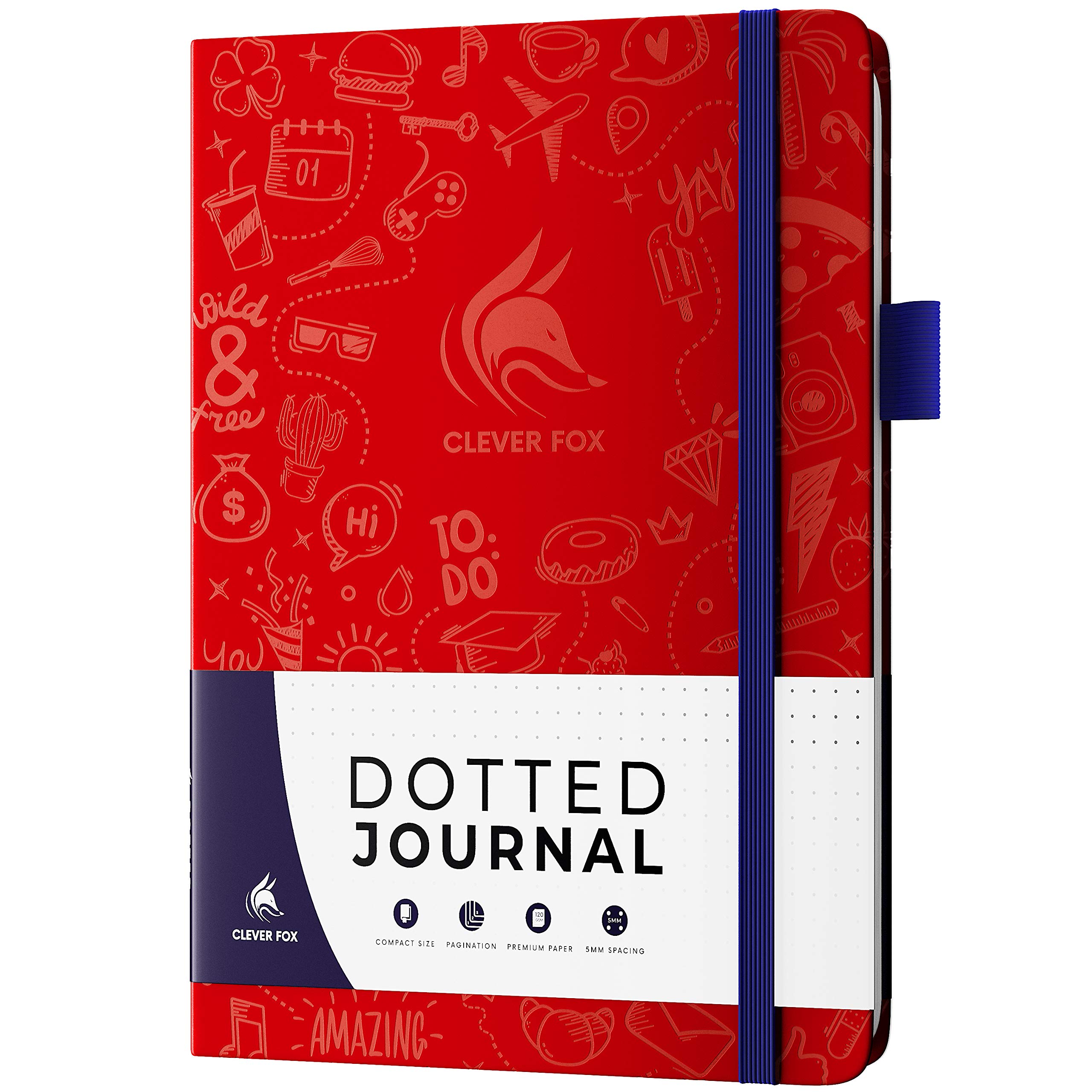
- The compact journal has a lay-flat binding for writing comfortably.
- Its A5 format includes a pen loop, bookmarks, and a pocket for notes.
- The dot grid has numbered pages, plus key and index pages.
Best Gift For: A family-history researcher who prefers to write notes, sketch, or journal by hand.
Glocusent Rechargeable Neck Reading Light

- Choose among three color temperature modes and adjustable brightness.
- The flexible arms can be adjusted to a comfortable angle.
- The rechargeable light offers up to 80 hours for general reading with one head.
Best Gift For: A genealogy reader who wants hands-free light for books in bed or at a desk.
VASAGLE CUSTOS 5-Tier Bookcase
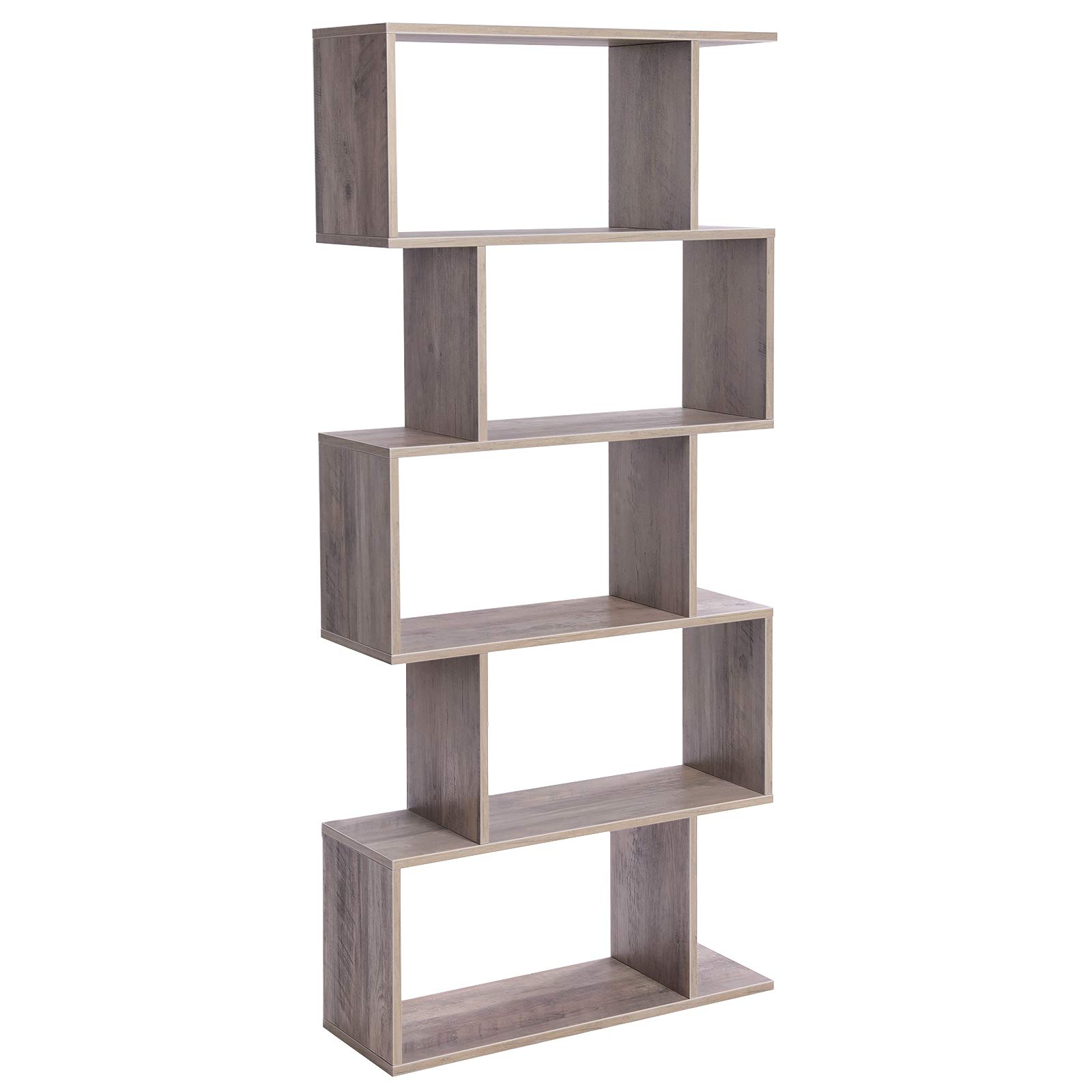
- Open storage gives books and collected items a visible place.
- Two anchoring devices are included to help keep the shelf in place.
- Each shelf supports a load of 22 lb.
Best Gift For: A genealogy enthusiast with room to display and organize books in a study or living space.
Mr. Pen Black Metal Bookends, 8-Pack
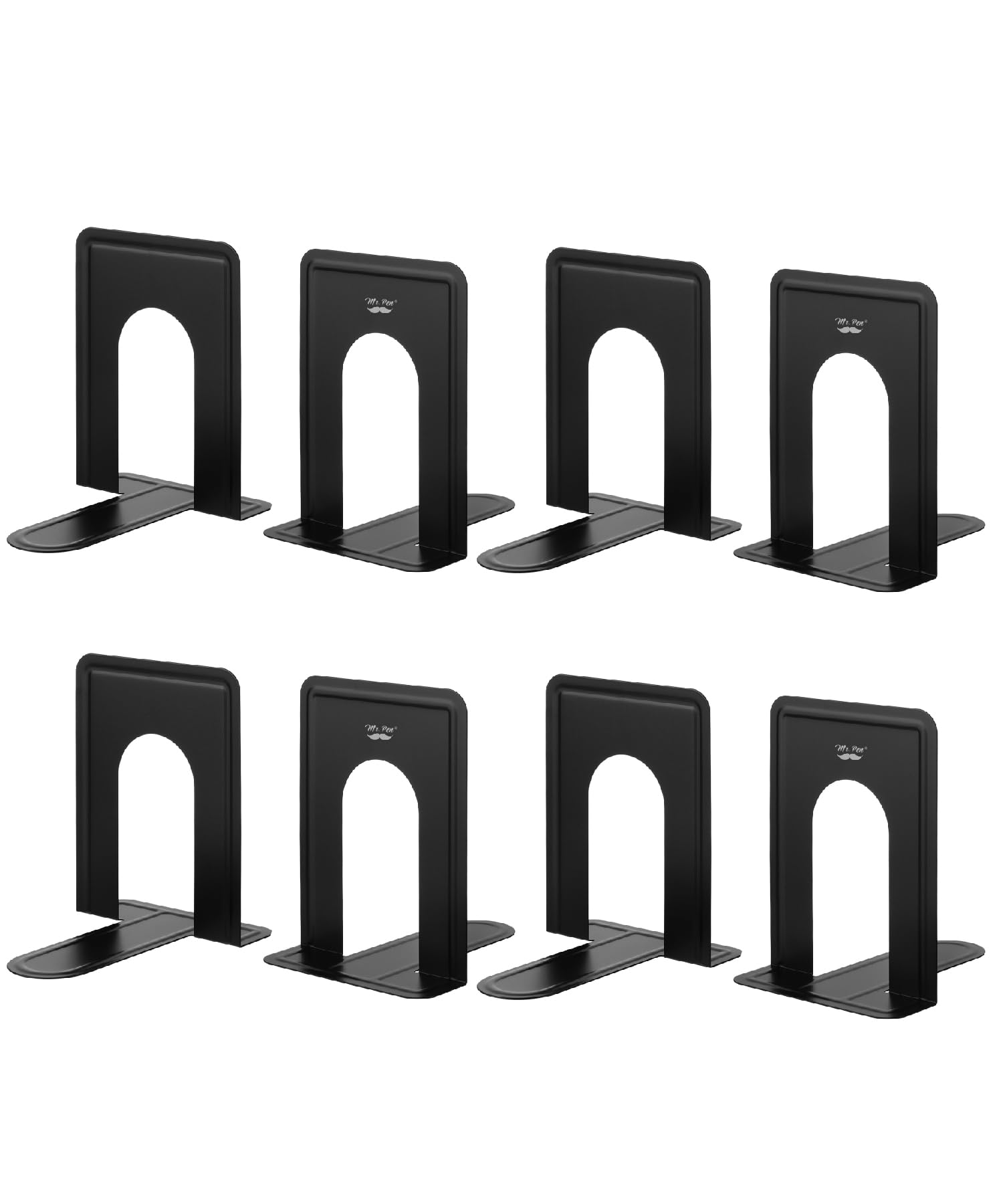
- The set comes with eight black metal bookends.
- Heavy-duty metal bookends support books, files, or other shelf items.
- They are intended to help keep books upright and organized.
Best Gift For: A family-history researcher who wants books, files, or binders to stay organized on a shelf.
SONGMICS Adjustable Bed Laptop Desk
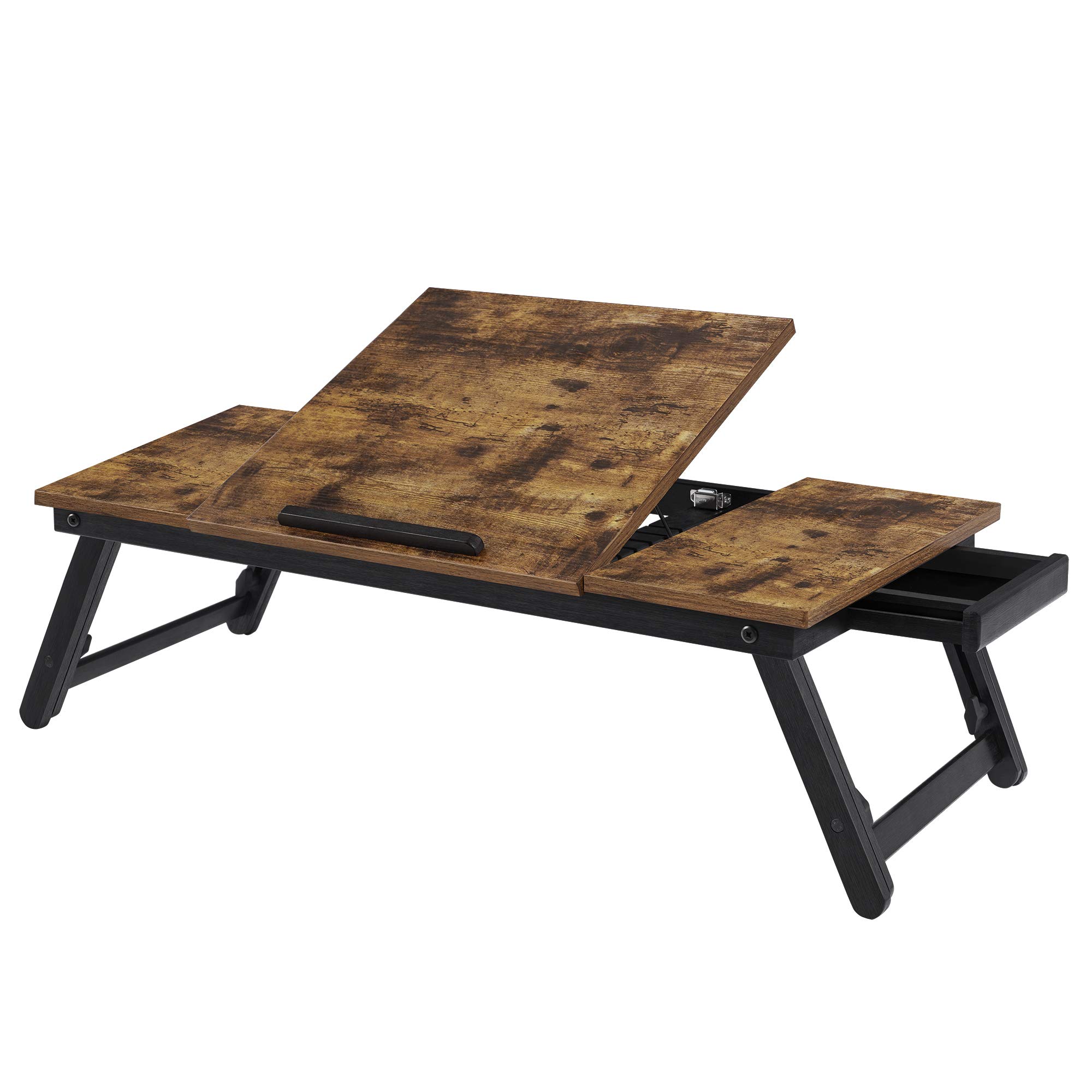
- The desk offers adjustable height and five tilt settings.
- Its desktop leaves mouse space for left- and right-handed users.
- The tilt top can flatten to create a desktop for other activities.
Best Gift For: A genealogy researcher who reads or writes on a laptop from bed or the sofa.
OTOTO Spaghetti Tale Bookmark
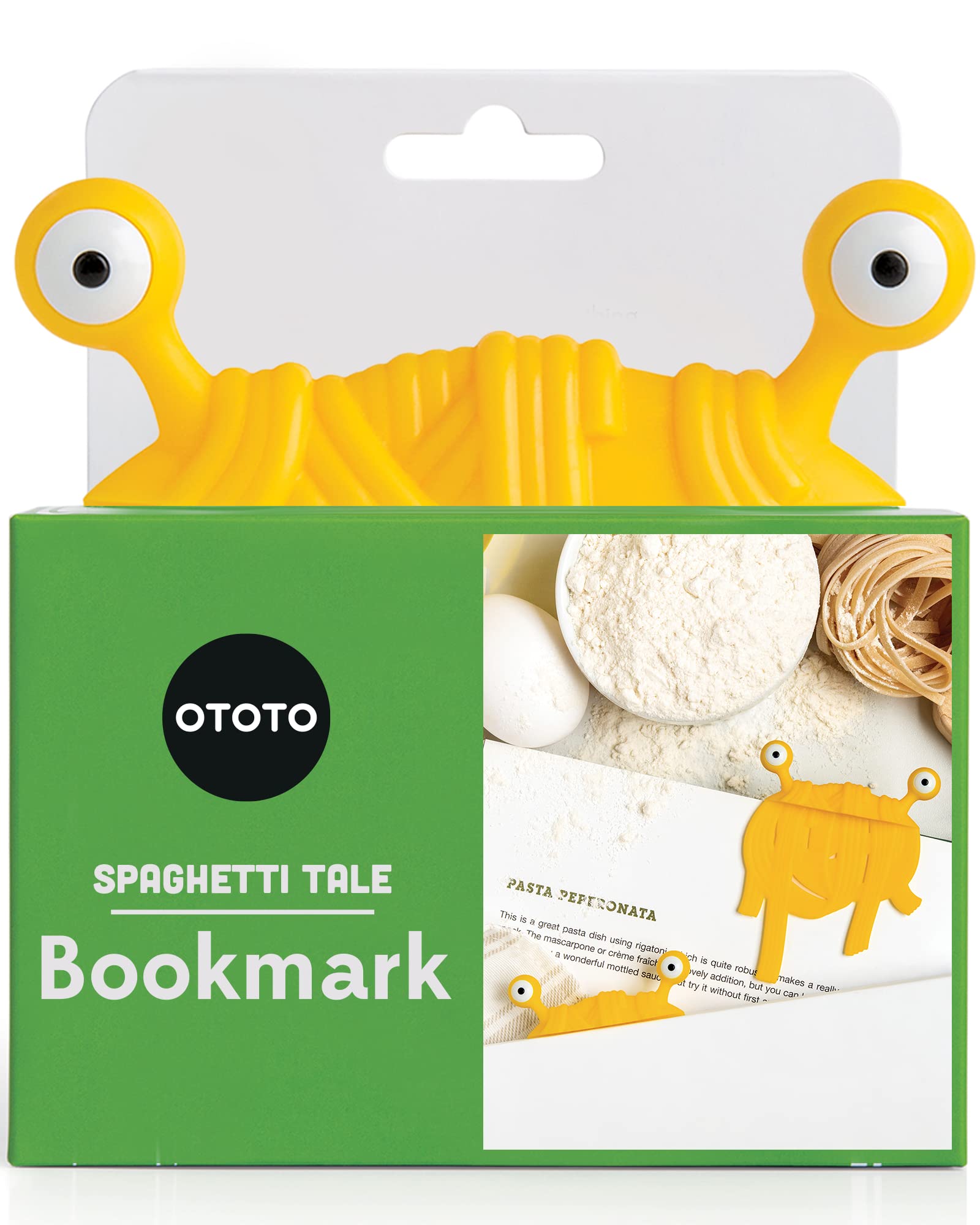
- Its quirky yellow design makes the bookmark easy to spot.
- It stays on the page without covering much of the book.
- The plastic bookmark is less likely to damage book pages than metal or wood markers.
Best Gift For: A reader or family-history hobbyist who would enjoy a quirky bookmark for their books.
Choosing gifts for people who love genealogy under 100
Gifts for people who love genealogy under 100 can start with how the recipient actually researches. Someone who spends evenings reading old records may appreciate better task lighting, while a person who keeps handwritten family timelines may put a journal to immediate use.
Think about the part of the hobby that feels most familiar to them.
For a relative who is building a family library, consider whether the useful gesture is a place for books, a way to keep them upright, or a small accessory that adds a bit of personality. A room furnishing depends on available space; a desk item or bookmark can fit more easily into an established routine.
If you are unsure, notice what they already use: notebooks with penciled dates, labeled folders, open shelves, or a laptop set up near the sofa. A gift that supports an existing habit is more likely to feel thoughtful than a specialized tool chosen without knowing how they work.
Balance usefulness, space, and budget
Set a comfortable spending range before choosing. Small reading and organizing accessories can make considerate gifts, while larger furniture pieces ask for more budget and a clear destination.
Consider the whole setup too: a desk tool may need a suitable surface, and a new shelf only helps when the room can accommodate it.
For a shared family gift, ask whether the recipient would welcome a larger item and where it might go. For a modest individual present, pair a useful object with a handwritten note about the family story or research project that inspired it.
Check actual prices before buying, since they can change.
A practical choice balances usefulness with the recipient’s current space and habits. Confirm dimensions and compatibility for anything intended to fit a particular desk, device, or room.
For a gift that does not need a fixed spot, consider whether its purpose will be clear as soon as it is opened.
Personalize gifts for people who love genealogy under 100
For gifts for people who love genealogy under 100, personalization can come from the note and presentation rather than custom engraving. Mention a family branch, a place they are researching, or a story you hope they will record.
Keep the details accurate and invite them to add their own discoveries.
A notebook or planner can be accompanied by a short prompt: a relative’s favorite saying, a question about an old photograph, or a reminder to record where a clue came from. Avoid filling in family facts on their behalf; leaving room for their own research respects the care they bring to it.
For a reader, tuck in a bookmark and a note naming a book or document you discussed together. For a home-library gift, include a card offering help with arranging a research corner.
Small gestures can connect a practical present to the stories and people that make genealogy personal.
Make the research space comfortable
Think about where the recipient spends time with family records. A dedicated desk, a favorite reading chair, and a shared family room call for different kinds of gifts.
If they move between rooms, compact tools and accessories may be simpler to store than a permanent furnishing.
For research sessions that involve printed pages, look for comfort and usability in the setting: lighting that can be positioned, a clear place for notes, and a way to keep relevant books within reach. Do not assume a particular device, desk size, or storage arrangement; check what they use before selecting anything that must fit.
A small improvement can make a familiar corner feel more welcoming. Consider whether there is already adequate light, whether papers need a dedicated home, and whether the recipient prefers digital or handwritten notes.
These observations help narrow the choices without turning a gift into a suggestion that they reorganize their whole space.
Last-minute checks before buying
When time is short, choose a gift with a purpose you can explain in one sentence. Check current product details, compatibility with the recipient’s devices, and dimensions for any item meant to attach to furniture or occupy a specific spot.
These checks matter more than guessing based on a picture or category name.
Review delivery estimates at checkout and leave room for delays, especially if the gift is for a set occasion. If timing is uncertain, a printed card describing the planned gift can make a thoughtful placeholder.
Avoid promising a particular arrival date until the retailer confirms an estimate for your location.
Finish with a brief note connecting the gift to their interests: a research question, a family story, or a book they have been enjoying. Whether the present is a simple reading accessory or a larger addition to a home library, that personal context shows you paid attention to how genealogy fits into their life.